Budget-Friendly Living Room Designs That Look Expensive
When you think about the heart of your home, your living room is usually the first space that comes to mind. It’s where you curl up after a long day, where friends gather, and where your style shows up big and bold. That’s why choosing the right living room designs isn’t just about decorating. It’s about building a space that feels good to live in every single day.
Living Room Designs That Start With the Right Layout
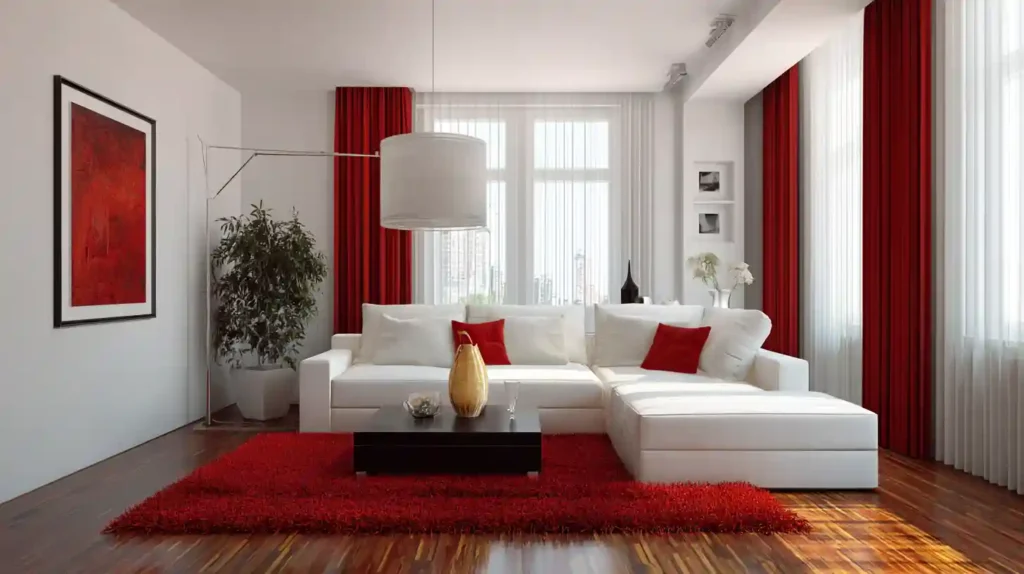
Before you think about colors or accessories, start with the shape of the room and how you naturally move through it. A solid layout is the foundation of all great living room designs. It’s what makes the space feel balanced, welcoming, and easy to use day after day.
Choosing the Perfect Sofa Position for Flow and Comfort
Your sofa is the anchor of the room, so place it first. Aim to position it where it creates a natural focal point facing a window, fireplace, or media wall. If you’re working with an open floor plan, use the back of the sofa to subtly divide the room into zones.
Quick DIY tip.
If the sofa feels off, try shifting it by just 6,12 inches. Tiny adjustments can make the whole room feel more open.
Creating Natural Walkways for Everyday Movement
Think about how you walk from the kitchen to the sofa… from the front door to the hallway from the couch to the coffee table. Good living room flow means nothing blocks your path.
Aim for.
-
30,36 inches of space in main walkways
-
At least 18 inches between the sofa and coffee table
-
Clear paths that don’t force people to shuffle around furniture
When the walkways feel easy, the whole room suddenly feels bigger.
Zoning Your Living Room for Conversation, Work, and Relaxation
Even a small living room can have multiple mini-spaces. Think of them like pockets of purpose.
Common zones include.
-
Conversation zone. sofa + chairs positioned to face each other
-
Work zone. a small desk against a wall or window
-
Relaxation zone. a cozy reading chair with a lamp and a small table
Zoning keeps the room from feeling like one big jumble, and it helps the whole family use the space without stepping on each other.
Modern Living Room Designs Built Around Color, Furniture, and Texture
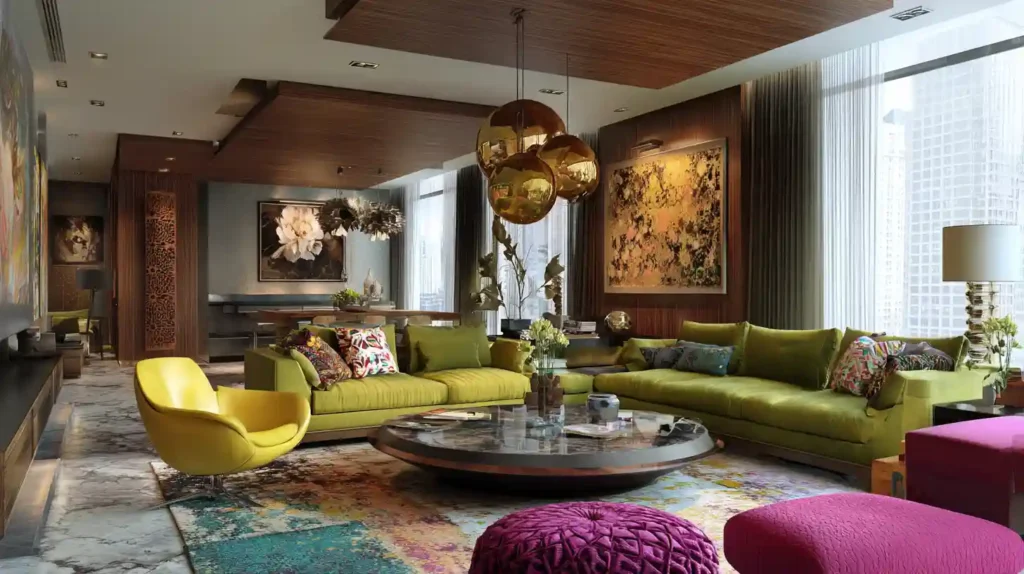
Once your layout feels solid, it’s time to layer in the personality. This is where living room designs really come alive: the colors you choose, the textures you mix, and the furniture you bring in all work together to create a mood. And don’t worry, you don’t need designer pieces to make the room look pulled together. A few smart choices can completely shift the vibe.
Building a Color Palette That Feels Warm and Timeless
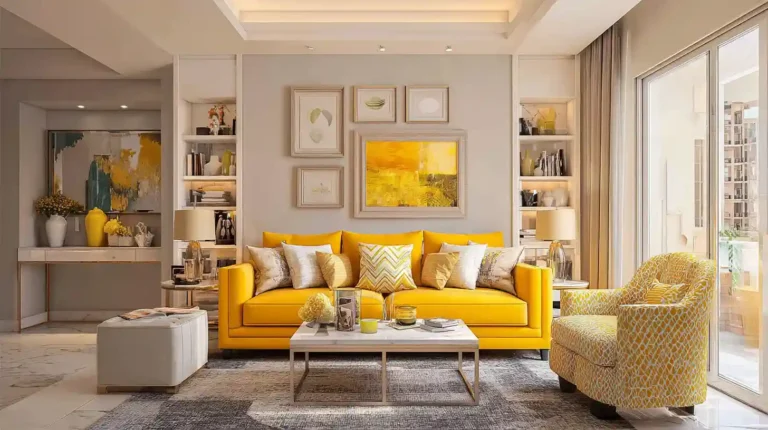
Start with one grounding color, something calm like soft beige, charcoal, warm gray, or even a muted olive. Then sprinkle in 2,3 accent shades you love.
Easy palette formula.
-
60% main color walls, big furniture
-
30% secondary color rug, curtains, side chairs
-
10% accents pillows, art, throws
Madison DIY tip.
If you’re unsure about bold color, try it in throw pillows first. They’re low-risk and instantly change the mood of the room.
Mixing Furniture Styles and Materials the Right Way
Living rooms look more natural and way less furniture showroom, when you mix materials instead of matching everything.
Try blending.
-
A soft fabric sofa + a wood coffee table
-
Metal side tables + a woven basket
-
A leather chair + linen pillows
The contrast makes the room feel layered, cozy, and collected over time, not bought in one afternoon
Using Rugs, Lighting, and Pillows to Define Your Design Style
These three accessories are your secret weapons for shaping the room.
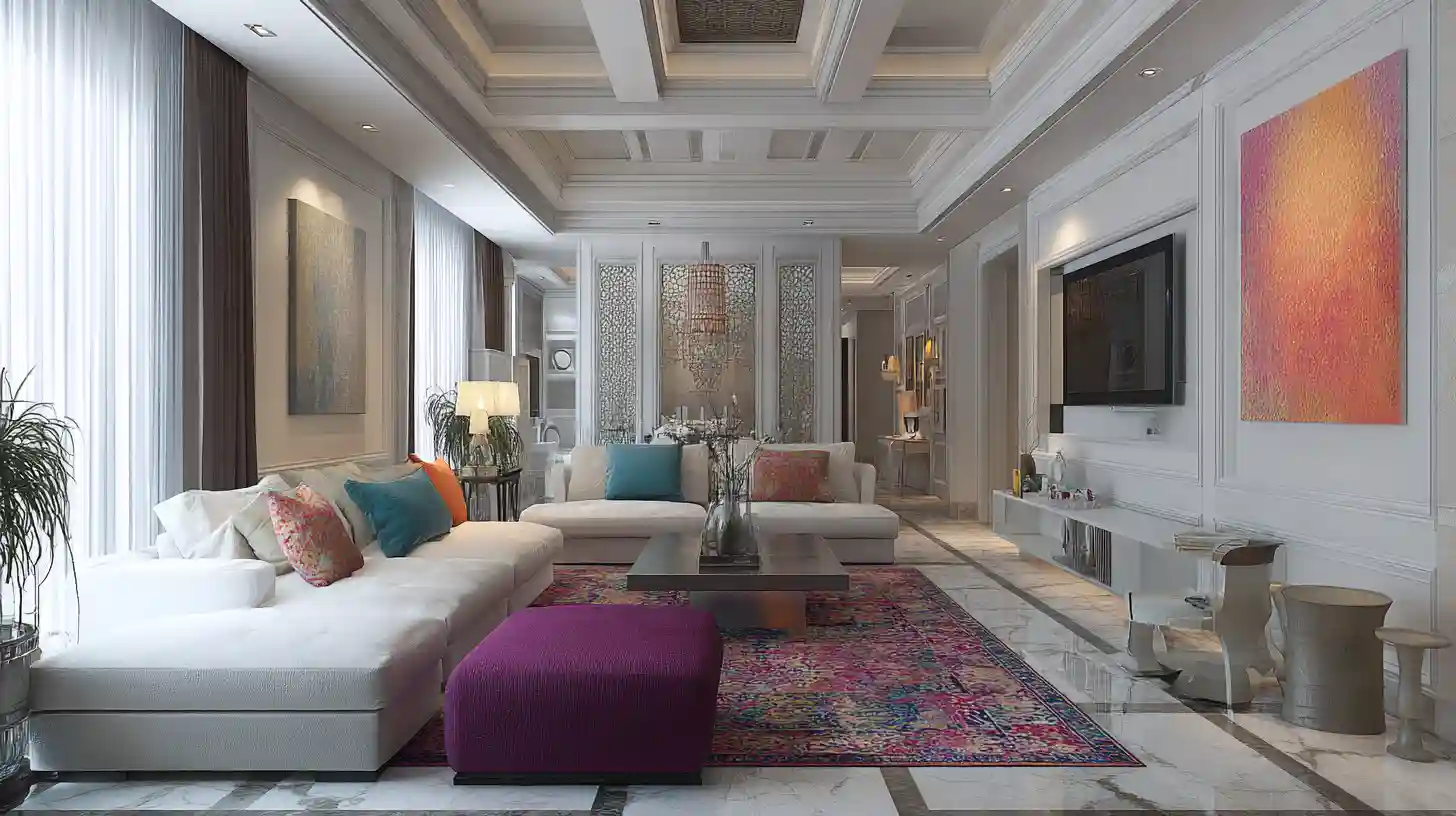
Rugs. Choose one large enough that the front legs of the furniture sit on, t it pulls the entire seating area together.
Lighting. Mix overhead lighting with floor lamps and table lamps so the room feels warm, not flat.
Pillows. Play with textures: chunky knits, velvet, cotton, or faux fur to instantly add personality.
Together, these pieces quietly decide whether your living room feels cozy, modern, airy, or bold.
Living Room Designs for Small, Medium, and Large Spaces
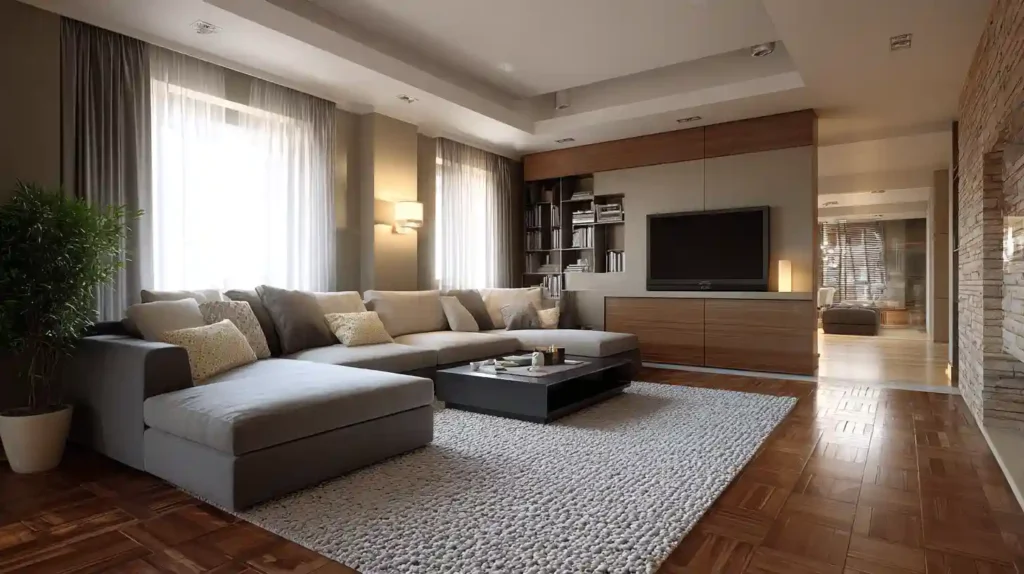
Every home has its own rhythm, and your living room should move with it. The smartest living room designs aren’t one-size-fits-all; they adjust to the room you actually have. Whether your space is snug and sweet or wide and open, there’s always a way to make it feel stylish, welcoming, and totally functional for daily life.
Small Living Room Designs That Stretch Every Inch
Small rooms can shine when you choose pieces that work a little harder. Think compact shapes, lighter silhouettes, and furniture that earns its keep.
Try ideas like.
-
A loveseat or apartment-sized sofa to keep things airy.
-
Wall-mounted shelves instead of bulky bookcases.
-
Dual-purpose furniture, like a storage ottoman or nesting tables.
-
Vertical decor, tall plants, and long curtains to draw the eye upward and make the room feel taller.
DIY Madison tip: A single large rug, not several small ones, instantly makes a tiny room feel more connected and spacious.
Layout Ideas for Open-Concept Living Rooms
Open spaces are amazing, but they can also feel a little undefined until you give each area a role. A great layout gently guides the eye from one zone to the next.
Helpful tricks,
-
Place a large rug underneath your seating area to create a natural “living room zone.”
-
Let the sofa act as a soft divider, especially between the living space and dining area.
-
Use plants, consoles, or open shelving to mark boundaries without closing the room in.
Think of it as drawing invisible lines that help the whole space make sense.
Multi-Purpose Living Rooms for Busy Families
If your living room has to moonlight as an office, a play zone, or a movie hub, you’re in good company. Modern homes are all about flexibility.
To keep the room functioning smoothly:
-
Pick storage that hides clutter fast lidded baskets, cabinets, or a trunk-style coffee table.
-
Set up a small workspace with a compact desk or floating shelf if you need a place to focus.
-
Use movable pieces, like lightweight side tables, that you can slide around depending on the day’s activities.
-
Keep a “grab-and-go” basket for kids’ stuff or blankets so cleanup never feels overwhelming.
A multi-purpose living room doesn’t have to feel chaotic, just organized enough to support real life.
Practical Do’s and Don’ts for Everyday Living Room Designs
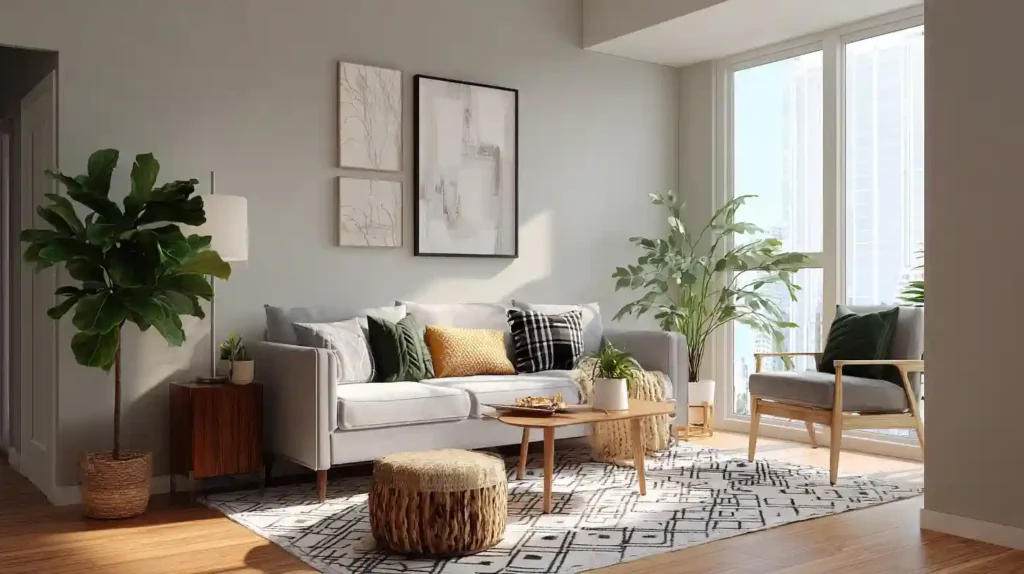
Great living room designs aren’t just about style; they’re about creating a space that holds up to real life. Think movie nights, morning coffee, kids’ toys, pet naps, and everything in between. These simple do’s and don’ts keep your living room feeling comfortable, functional, and easy to maintain.
Do Plan Around How Your Family Actually Uses the Room
Before buying anything, think about what really happens in your living room.
Do you host friends often? Work from the sofa? Need a spot for kids’ activities.
Use that info to guide your choices.
-
If you entertain, choose extra seating options like poufs or accent chairs.
-
If you work from home, add a small desk or laptop table that blends into the room.
-
If you have kids or pets, look for durable fabrics like performance polyester or leather.
Your living room should support your lifestyle, not fight it.
Don’t Overcrowd the Space With Oversized Furniture
A common mistake? Bringing in pieces that are just too big.
Oversized sectionals, heavy coffee tables, or bulky chairs can shrink the room fast.
Instead:
-
Pick furniture that leaves a comfortable walking space.
-
Try leggy pieces (with visible legs) to keep the room feeling open.
-
Measure twice before buying, and use painter’s tape on the floor to preview the size.
If the room feels tight, the design won’t feel relaxing.
Do Choose Durable Materials: Pets, Spills, Kids
Life happens, and your living room should be ready for it.
Look for materials that can take a beating but still look amazing:
-
Performance fabric sofas that resist stains
-
Washable pillow covers and throws
-
Sturdy coffee tables that don’t scratch easily
-
Rugs with patterns that hide everyday wear
Madison tip. Slipcovers are a secret weapon. Toss them in the wash, and your living room looks refreshed instantly.
Adding Personality to Your Living Room Design
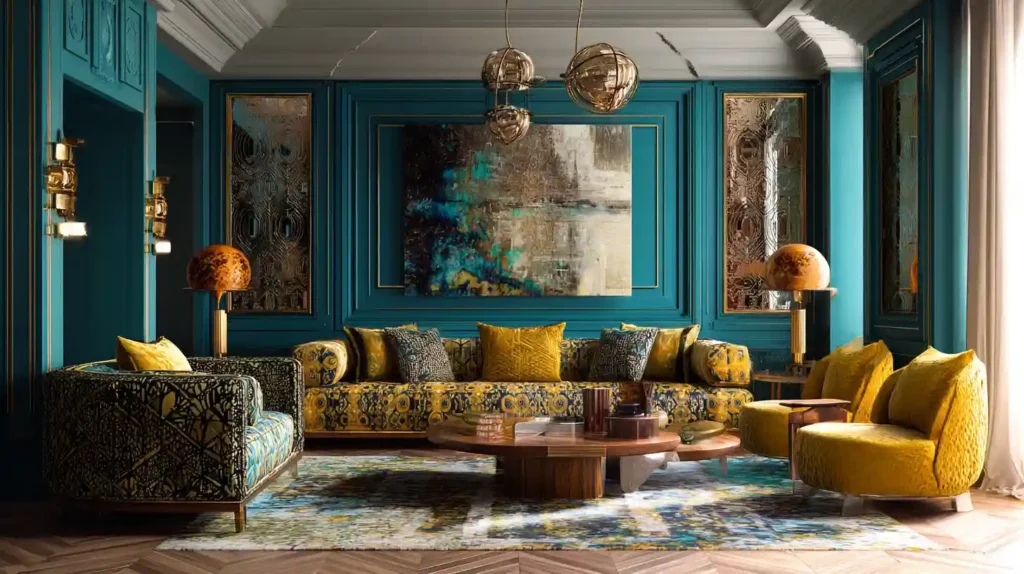
Once the basics are in place, the sofa, the layout, the colors, it’s time to make the room feel truly yours. This is the part of living room designs where you get to play, experiment, and bring in the pieces that make you smile every time you walk in.
Using Layered Textures to Create Warmth and Character
Texture adds instant life to a room, especially when everything else feels a little too flat or matchy. Think of it like giving your space its own cozy handshake.
Try pairing,
-
A smooth sofa with a nubby or handwoven throw
-
Soft cotton pillows with one bold, textured accent pillow
-
A natural jute rug topped with a smaller patterned rug
-
Wicker baskets next to metal or wood accents
The contrast between materials makes the whole room feel intentional and lived-in like a space that grew with you, not one that arrived in a single delivery.
HBringing in Art, Plants, and Personal Pieces
This is where your living room goes from nice to oh, this feels like you.
Consider adding:
-
Art that means something, whether it’s thrifted, DIY, or printed from a vacation photo you love
-
Plants that bring color and movement; even one leafy corner can brighten the entire room
-
Items with stories like souvenirs, handmade pottery, family treasures, or a stack of books you actually read
You’re not decorating shelves, you’re building a story about your life.
Switching Out Simple Seasonal Touches
A few small updates can shift the whole mood of your living room without spending much or redecorating everything.
Try rotating:
-
Light, breathable fabrics in spring and summer; richer, heavier textures in fall and winter
-
Seasonal greenery, eucalyptus, branches, fresh flowers, or faux stems if you prefer low-maintenance
-
Candle scents, coffee table decor, or throw blankets that match the season’s energy
These easy swaps keep your living room feeling fresh and intentional all year long.
Designing a living room you love doesn’t have to be complicated; it just takes a little intention and a few smart choices. When you build your space step by step, every decision feels easier. Start with the layout, add pieces that support your everyday routine, and then layer in the colors, textures, and personal touches that make your home feel warm and lived in.
Great living room designs aren’t about following rules perfectly; they’re about creating a space where you can relax, gather, and feel completely. And with even a few DIY-friendly updates, your living room can look and feel brand new without a full renovation