Wall Decor Ideas for a Cozy, Beautiful Home You’ll Love
There’s something oddly loud about a blank wall. Even in a beautifully furnished room, empty wall space can make everything feel unfinished, like you moved in but never fully settled in.
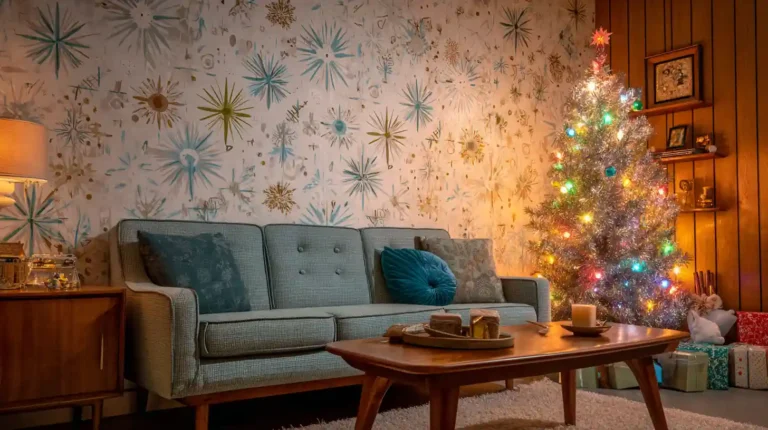
That’s where wall decor comes in. Not just things you hang, but the pieces that make a home feel personal. the warmth of layered frames, the quiet glow of a mirror catching afternoon light, the texture of woven accents that soften a space instantly. The right wall decor can make a room feel calmer, brighter, taller, cozier, or simply more you.
In this guide, I’ll share wall decor ideas that work in real US homes with kids, pets, busy weeks, and all, plus the simple rules designers use so your walls look intentional, not cluttered.
Wall Decor Ideas for a Home That Feels Finished
What wall decor really means in a design sense
Wall decor is anything you use to style vertical space so it feels balanced and lived-in, such as art, mirrors, shelves, sculptural pieces, textiles, and even lighting. The goal isn’t to fill every inch. It’s to create a focal point and support the mood of the room.
Think of wall decor as the soft finishing layer that ties together
-
Your furniture scales so the room looks proportionate.
-
Your color palette (so the space feels cohesive)
-
Your personal story (so it doesn’t look like a showroom)
The 30-second wall decor checklist so it looks designer
If you only remember one thing, remember this scale + placement + breathing room.
Use this fast checklist before you hang anything,
-
Size. If the wall is large, your decor should be large (or grouped). Tiny art on a big wall tends to look lost.
-
Height. Most wall art looks best when the center is around eye level, roughly 57–60 inches from the floor
-
Spacing. Keep frames in a group about 2–3 inches apart for a polished look.
-
Anchor. Above a sofa, bed, or console, your wall decor should feel connected to the furniture, like it belongs there.
-
Texture. Mix flat pieces of prints with something dimensional, a mirror, sconce, basket, or shelf.
-
Light. Avoid glare where you can; add a picture light or nearby lamp if the wall feels dark.
If you want, I can also give you a quick pick your wall cheat sheet (above couch / above bed/hallway) so you know exactly what sizes tend to work.
Best Wall Decor Ideas That Always Work
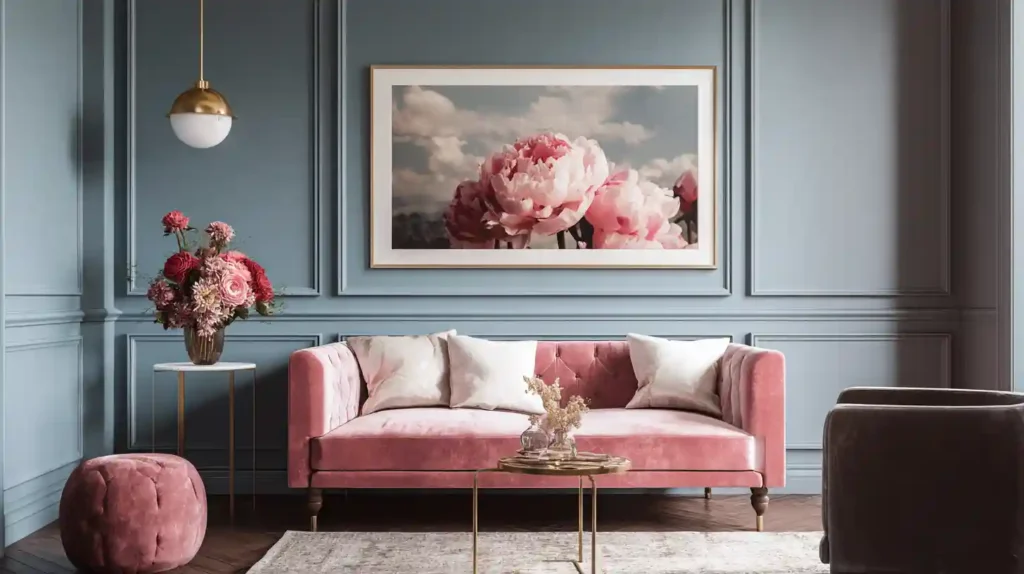
Framed art and prints are the easiest starting point
If you’re not sure where to begin, start with framed art. It’s classic for a reason. Art instantly sets the tone of a room,calm, bold, romantic, modern, without changing anything else.
A few cozy rules that never fail,
-
Choose one color story, neutrals, warm tones, soft pastels, so the wall feels intentional
-
Mix photography + abstract + line art for depth
-
Use mats. Even affordable prints feel elevated with a clean mat
If you’re decorating a living room, framed art above the sofa should span about ⅔ the width of the couch so it feels balanced.
Gallery walls are personal, layered, and collected
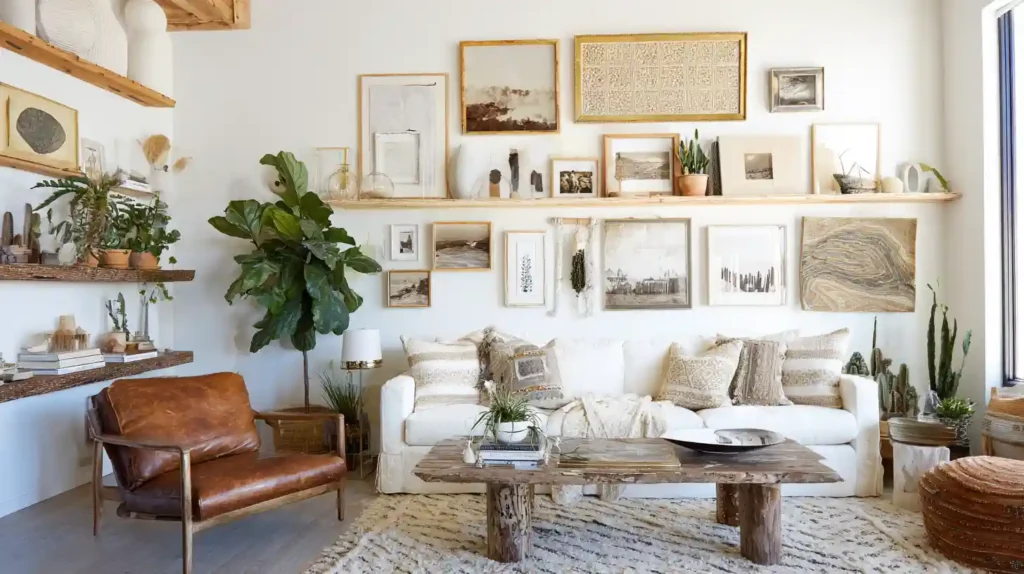
Gallery walls are perfect if you want your home to feel lived-in and personal, not overly styled. They tell a story over time.
What makes them work,
-
Stick to a frame family all black, all wood, or a soft mix,
-
Repeat colors across different pieces
-
Let one larger piece anchor the arrangement
Gallery walls don’t have to be big. A small one in a hallway or beside a staircase can be just as impactful, and very Pinterest-friendly.
Mirrors that brighten and soften a room
A mirror is one of the most underrated wall decor pieces. It reflects light, opens up space, and adds quiet elegance.
Try mirrors.
-
In entryways to bounce light and create a welcoming moment
-
In a living room opposite a window
-
Above a console or mantel to add height
Round mirrors feel softer and cozier. Rectangular mirrors feel structured and classic. Both work. It’s about the mood you want.
Floating shelves and picture ledges
Shelves are perfect if you like to refresh your decor seasonally. They’re flexible, practical, and visually light.
Style them with.
-
Leaning frames instead of hanging everything
-
Small plants or dried stems
-
A mix of vertical and horizontal objects
The secret is restraint. Fewer pieces, spaced out, almost always look better than a crowded shelf.
Textural and 3D wall decor
This is where a room starts to feel warm instead of flat.
Think beyond frames.
-
Woven baskets or trays
-
Sculptural wall pieces
-
Wood, ceramic, or metal accents
Texture adds depth, especially in neutral homes. It’s what makes beige, white, and soft gray spaces feel cozy instead of cold.
What to Put on a Big Blank Wall
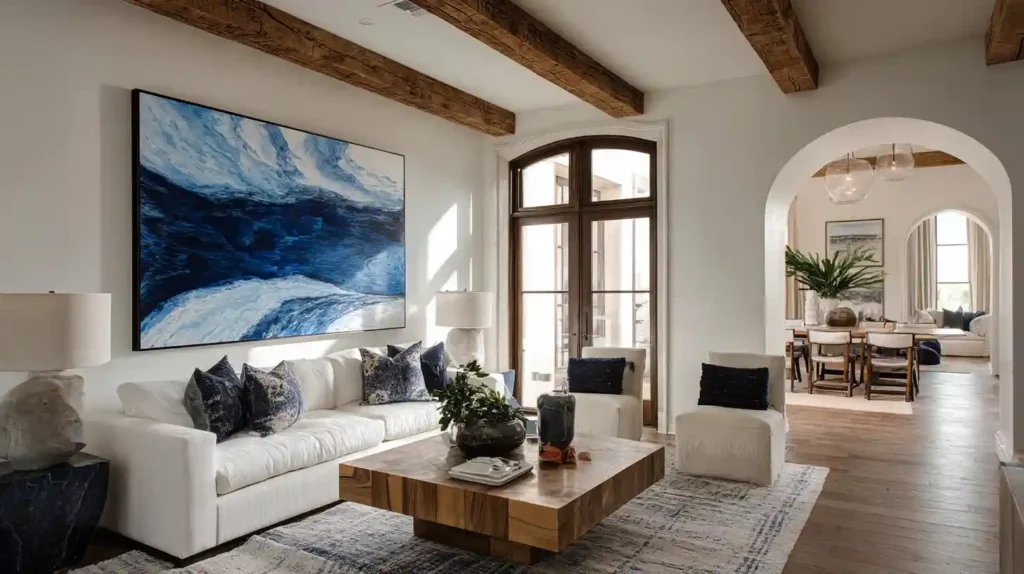
Big walls can feel intimidating, but they’re actually an opportunity to make your home feel intentional and elevated. The key is thinking bigger and simpler, not filling the space with lots of small pieces.
One oversized statement piece
This is the calmest, most foolproof option. One large piece of art instantly grounds the wall and gives the room a focal point.
Look for.
-
Oversized abstract art
-
Soft landscapes or architectural photography
-
Neutral palettes with gentle contrast
This works beautifully above a sofa, bed, or long console. It keeps the space feeling open instead of busy.
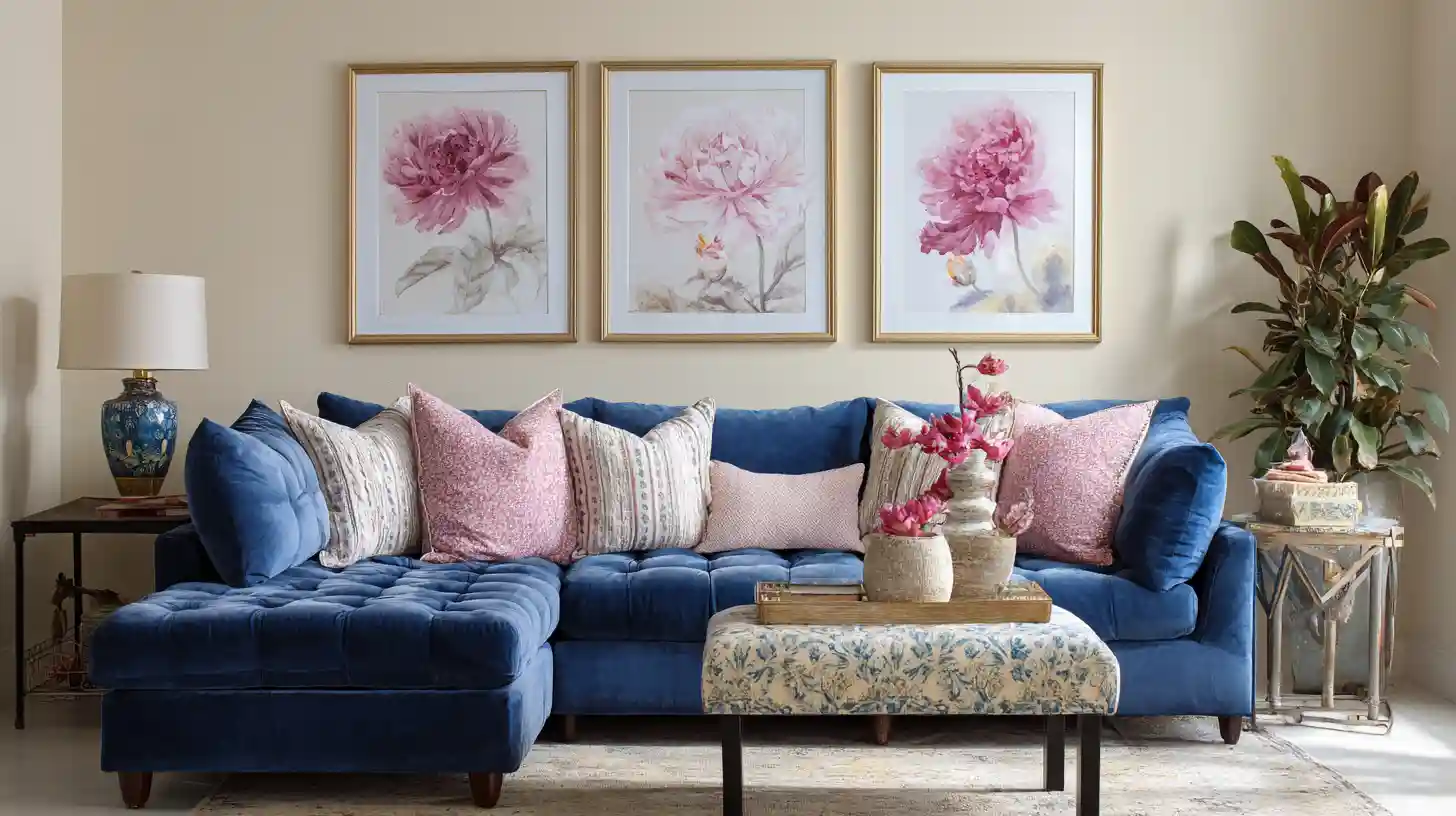
A set of three triptychs or grouped art
If one piece feels too bold, a set of three creates balance without overwhelm.
Why it works
-
The repetition feels cohesive
-
It fills the width without visual chaos
-
It’s ideal for long walls in living rooms or dining rooms
Keep the frames and sizing consistent so the wall feels polished.
A large mirror moment
Mirrors are perfect for big walls that need light or softness.
Try a mirror.
-
With an arched or round shape for a cozy feel
-
With a thin frame to keep it light
-
Placed opposite a window to reflect daylight
A large mirror doesn’t just decorate, it changes how the room feels.
Shelf styling on a wide wall
Picture ledges or floating shelves let you layer decor without committing to one permanent look.
This works especially well if you
-
Like switching decor seasonally
-
Want a mix of art, plants, and objects
-
Prefer a collected, relaxed look
Keep the color palette tight so the wall still feels calm.
Accent walls that add quiet character
Sometimes the wall itself becomes the decor.
Subtle accent ideas
-
Vertical wood slats or paneling
-
Soft wallpaper with texture or tone-on-tone pattern
-
A slightly deeper paint color than the rest of the room
Accent walls work best when the rest of the decor stays simple.
Wall Decor by Room. What Actually Works
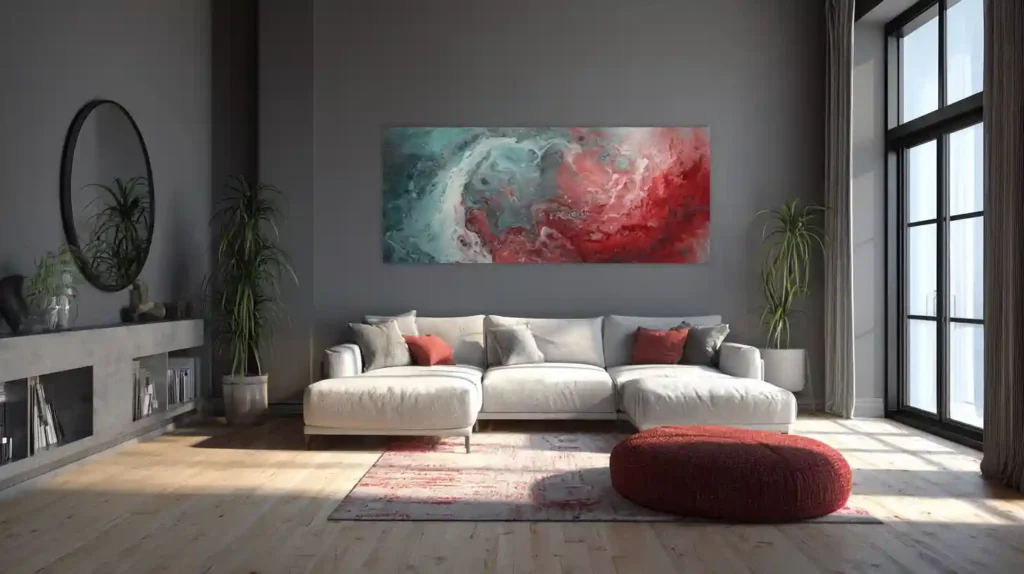
Every room asks for something slightly different from your walls. When wall decor works, it quietly supports how you use the space, without getting in the way of daily life.
Living room wall decor
This is where wall decor matters most. It’s the room we gather in, relax in, and notice first.
What works best?
-
Above the sofa. one large piece, a triptych, or a balanced gallery wall
-
Around the TV. Keep it minimal so the TV doesn’t feel cluttered
-
Fireplace walls. Symmetry works beautifully here, matching art or sconces
Living room wall decor should feel grounding and calm, not distracting.
Bedroom wall decor
Bedrooms need softness. This isn’t the place for loud statements. It’s about creating rest.
Try,
-
One oversized piece above the bed
-
Two smaller pieces, evenly spaced, for balance
-
Textured decor like fabric art or subtle line drawings
Keep colors gentle and shapes simple so the room feels peaceful at night.
Entryway wall decor
Your entryway sets the tone for the whole home.
Simple ideas that always work,
-
A mirror, practical and welcoming
-
One statement art piece
-
A small gallery wall, if the space allows
Entryways don’t need much, just something intentional that says you’re home.
Hallway wall decor
Hallways are perfect for storytelling.
Gallery walls shine here because
-
You move past them slowly
-
Smaller art feels natural
-
Personal photos feel especially meaningful
Keep frames cohesive so the hallway feels curated, not cluttered.
Kitchen wall decor
Kitchens are often overlooked, but small touches go a long way.
Consider.
-
Framed prints or typography
-
A mini shelf with plants or ceramics
-
One simple piece of art on an open wall
Less is more here. Kitchens should feel light and functional.
How to Create a Gallery Wall That Looks Designer, Not Chaotic
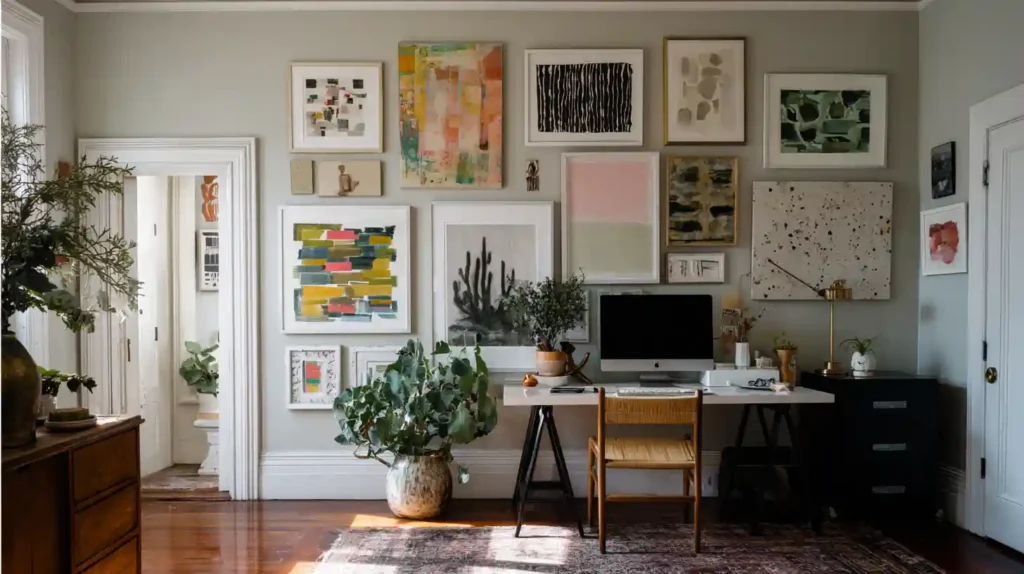
Gallery walls feel personal and layered, but only when there’s a quiet plan behind them. These steps keep everything feeling intentional, even if you add pieces over time.
Choose a clear theme first
Before hanging anything, decide on one unifying idea. This keeps the wall calm.
Easy themes that work.
-
A shared color palette. soft neutrals, warm earth tones
-
A frame finish. all black, all wood, or soft mixed metals
-
A vibe. travel photos, abstract art, family moments
You can mix art styles, as long as the theme stays consistent.
Start with one anchor piece
Every good gallery wall needs a visual home base.
How to pick it
-
Choose the largest or boldest piece
-
Hang it first, at eye level
-
Build outward from it
This prevents the floating, disconnected look that many gallery walls get.
Test your layout before hanging
This step saves so much frustration.
Two easy methods,
-
Lay everything out on the floor and adjust until it feels balanced
-
Cut paper templates the size of each frame and tape them to the wall
Stand back. Squint. If it feels calm from across the room, you’re on the right track.
Keep spacing consistent
Spacing is what separates collected from cluttered.
Best rule.
-
Keep 2–3 inches between frames
-
Use tighter spacing for a modern look
-
Slightly wider spacing for a relaxed, organic feel
Consistency matters more than perfection.
Know when to stop
This is the hardest part, and the most important.
If the wall feels full and balanced, pause. You can always add later. Gallery walls are meant to grow slowly, and that’s what makes them feel real.
How to Choose the Right Size and Placement
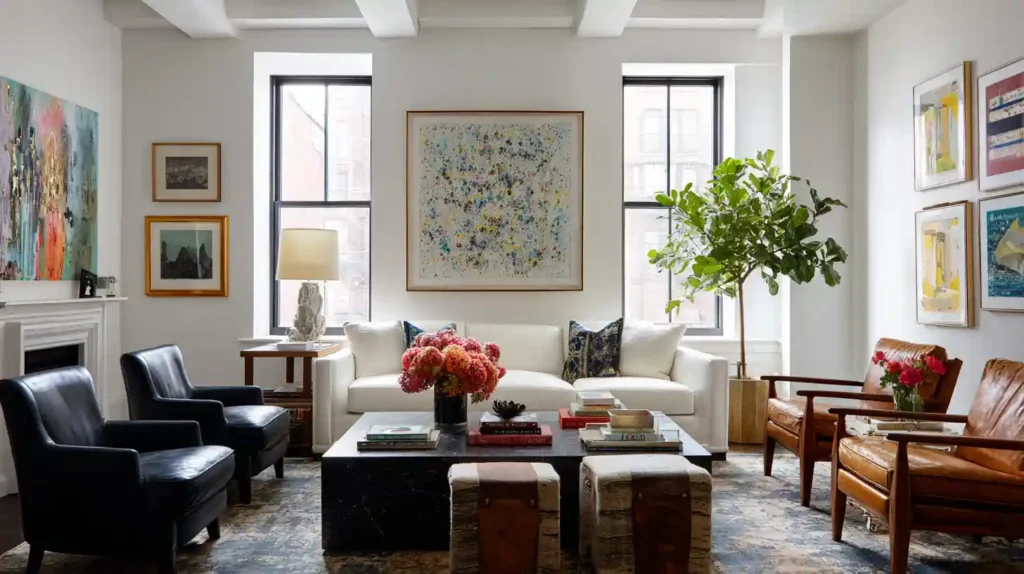
This is where wall decor often goes wrong, not because of taste, but because of scale and placement. The good news? Once you know a few simple rules, everything starts to click.
Match the wall decor size to your furniture
Wall decor should feel connected to what’s below it.
Use this designer guideline
-
Above a sofa, bed, or console, wall decor should span about 60–75% of the furniture’s width
-
If it’s smaller than that, it tends to float and feel accidental
This is why one large piece (or a grouped set) almost always looks better than several tiny frames scattered across a big wall.
Hang art at the right height, the most common mistake
Most people hang art too high.
A simple rule.
-
The center of your art should sit around 57–60 inches from the floor
-
If hanging above furniture, leave 6–10 inches between the furniture and the bottom of the art
This keeps the wall decor visually connected to the room instead of hovering above it.
Balance walls in open-concept spaces
In open layouts, walls talk to each other. If one wall is bold and styled, the others need to feel intentionally calmer.
Tips that help
-
Repeat colors or frame finishes across rooms
-
Avoid styling every wall heavily, let some breathe
-
Use mirrors or texture instead of more art if things feel busy
Balance is what makes an open space feel peaceful instead of overwhelming.
Budget-Friendly Wall Decor That Still Looks High-End
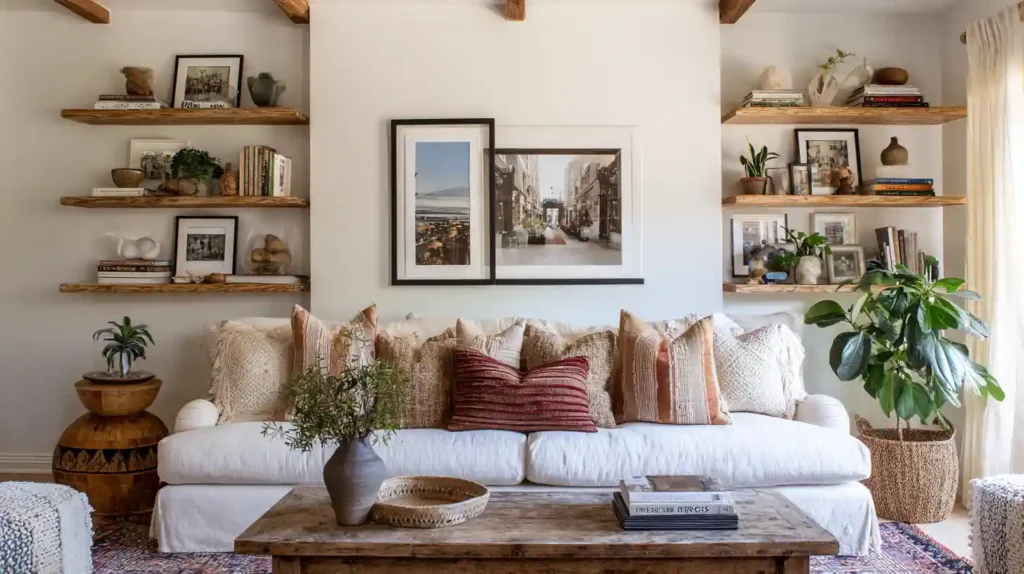
Beautiful wall decor doesn’t have to be expensive. In fact, some of the coziest, most inviting homes are built slowly, with thoughtful choices, not big splurges.
Printable art + simple frames
This is one of my favorite budget tricks.
How to make it look elevated:
-
Choose printable art in soft, timeless colors
-
Print on heavier paper or matte cardstock
-
Use matching frames for cohesion
-
Add a mat whenever possible. It makes everything feel custom
This works especially well for gallery walls, bedrooms, and hallways.
Thrifted and secondhand finds
Secondhand wall decor often has more soul than brand-new pieces.
Look for
-
Solid wood or metal frames
-
Vintage mirrors
-
Unique sculptural wall pieces
Even if the finish isn’t perfect, a quick clean or light DIY refresh can completely transform it.
Simple DIY wall decor, nothing overwhelming
DIY doesn’t have to mean messy or complicated.
Easy ideas that feel cozy
-
Framed fabric or wallpaper samples
-
Painted abstract art in neutral tones
-
Minimal wood or canvas pieces with texture
The key is keeping the color palette calm so the result feels intentional, not crafty.
Spend where it shows, save where it doesn’t
A gentle rule of thumb:
-
Spend a little more on one anchor piece, large art, or a mirror
-
Save on fillers (prints, small frames, accessories
This balance keeps the wall from feeling cheap, even when you’re decorating on a budget.
Renter-Friendly Wall Decor No-Damage Options
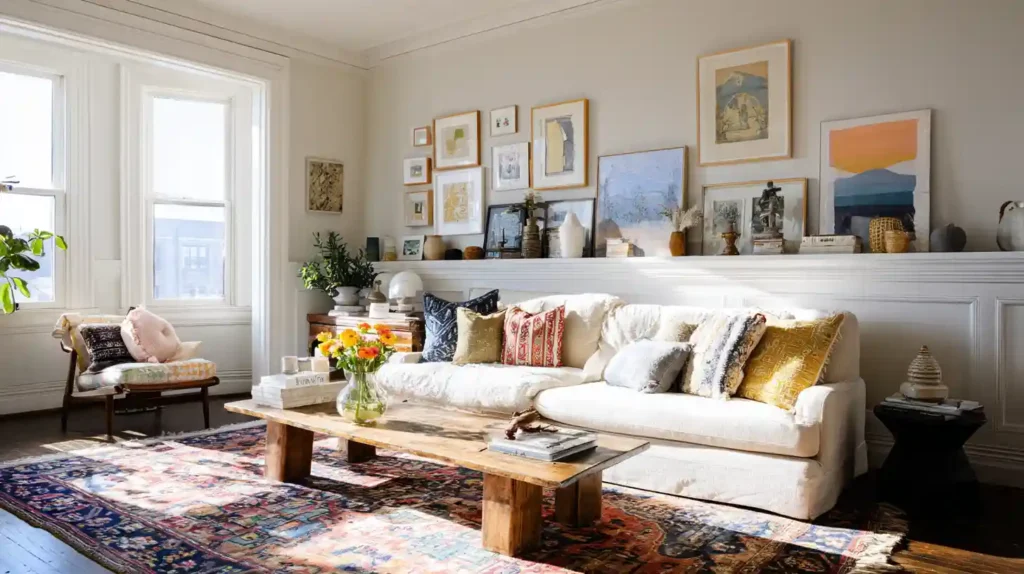
You don’t need holes in the wall to make a space feel finished. Some of the coziest homes are styled with pieces that can move, shift, and come down easily, perfect for renters or anyone who likes flexibility.
How to hang wall decor without nails
Modern hanging solutions are a game-changer.
What works well.
-
Adhesive hooks for lightweight frames
-
Picture hanging strips for medium art
-
Rail systems that distribute weight gently
The key is staying within weight limits and letting adhesives cure fully before hanging.
Leaning decor is effortless and relaxed
Leaning art feels casual in the best way.
Try
-
Large frames resting on consoles or mantels
-
Layered art on picture ledges
-
Mirrors leaned against the wall in bedrooms or entryways
It looks intentional, and you can rearrange anytime.
Removable wallpaper and decals
If you crave color or pattern, removable options add personality without commitment.
Best uses.
-
Behind a bed as a soft accent
-
On a dining room or entryway wall
-
Inside shelves or niches for subtle detail
Choose gentle patterns or textured neutrals so the space still feels calm.
Wall Decor Mistakes to Avoid. Easy Fixes That Change Everything
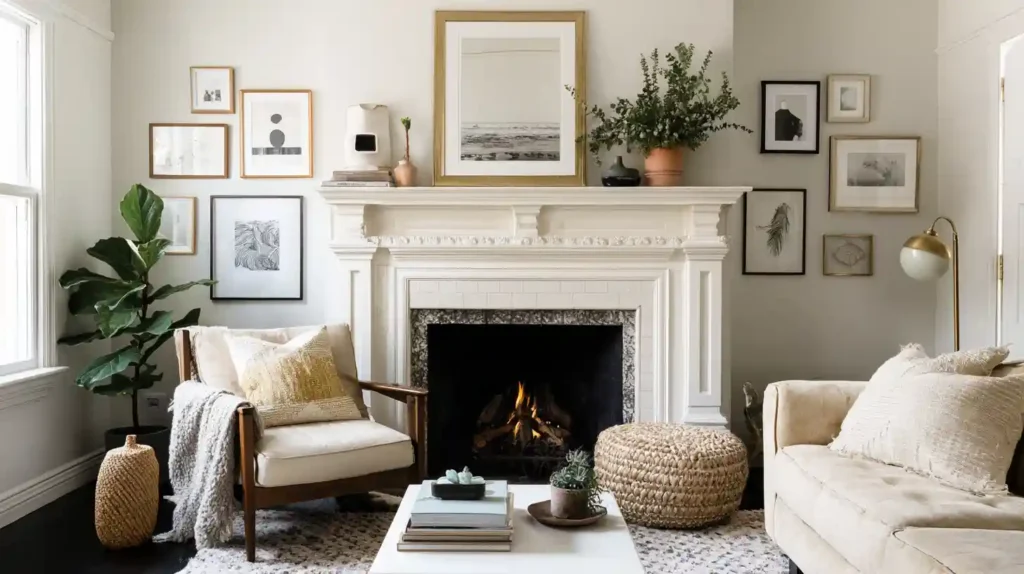
Most wall decor issues aren’t about style. They’re about a few small missteps that throw off the balance. Once you know what to watch for, your walls instantly feel calmer and more intentional.
Hanging art too high
This is the most common mistake I see.
Fix it fast.
-
Aim for the center of the art at eye level
-
Above the furniture, keep art 6–10 inches from the top
Lowering art, even just a few inches, can make a room feel more connected and cozy.
Choosing pieces that are too small
Tiny art on a large wall tends to disappear.
Instead.
-
Go larger
-
Group pieces together
-
Add a mirror or shelf to build presence
When in doubt, size up. Walls can handle more than we think.
Overcrowding every wall
Not every wall needs attention.
Let some walls breathe so your styled walls feel special. Negative space is part of good design; it gives the eye a place to rest.
Ignoring lighting
Glare and shadows can ruin even beautiful wall decor.
Quick checks.
-
Avoid placing art directly opposite harsh light
-
Add a soft lamp nearby
-
Consider a picture light for statement pieces
Light makes wall decor feel intentional, not forgotten.
Wall Decor FAQs. Quick Answers Homeowners Ask Most
How do I choose wall decor for my living room
Start with the largest wall, usually above the sofa. Choose one anchor piece or a balanced group, then keep the rest of the room simpler so it feels calm and cohesive.
What’s the easiest way to decorate a blank wall
One oversized piece of art or a large mirror. It’s fast, timeless, and instantly makes the room feel finished.
How do I lay out a gallery wall
Pick a theme, choose one anchor piece, test the layout on the floor or with paper templates, and keep spacing consistent at 2–3 inches.
How high should I hang wall art
The center should be around 57–60 inches from the floor, or visually centered above furniture.
How do I decorate walls on a budget
Use printable art, thrifted frames, DIY texture pieces, and spend a little more on one anchor item while saving on the rest.
Conclusion. Let Your Walls Tell Your Story
Wall decor isn’t about filling space. It’s about finishing a feeling. When your walls are thoughtfully styled, a home feels warmer, calmer, and more complete. Not perfect. Not overdone. Just right.
The most beautiful wall decor isn’t rushed. It’s layered over time. A print you love. A mirror that catches the light just right. A small gallery that quietly tells your story. When you focus on scale, placement, and texture, your walls start working with your home instead of competing with it.
So take your time. Start with one wall. Choose pieces that make you feel something when you walk past them. That’s how a house slowly becomes a place you truly love coming home to