How to build a raised garden bed fast
Something is calming about stepping into your yard and seeing fresh green growth just within reach. Raised garden beds make that feeling even easier to enjoy. By lifting your plants slightly above the ground, you create a space that warms earlier in spring, drains better after summer rain, and feels wonderfully organized the moment you walk outside.
For many American homeowners, raised beds offer a simple way to grow vegetables, herbs, and flowers without wrestling with compacted soil or tricky yard conditions. They bring your garden closer to you, literally and emotionally, turning a small patch of earth into a space filled with morning sunlight, fresh scents, and the gentle rhythm of tending something that grows
Table of Contents
ToggleWhat is a Raised Garden Bed
How Raised Garden Beds Work in a Home Garden
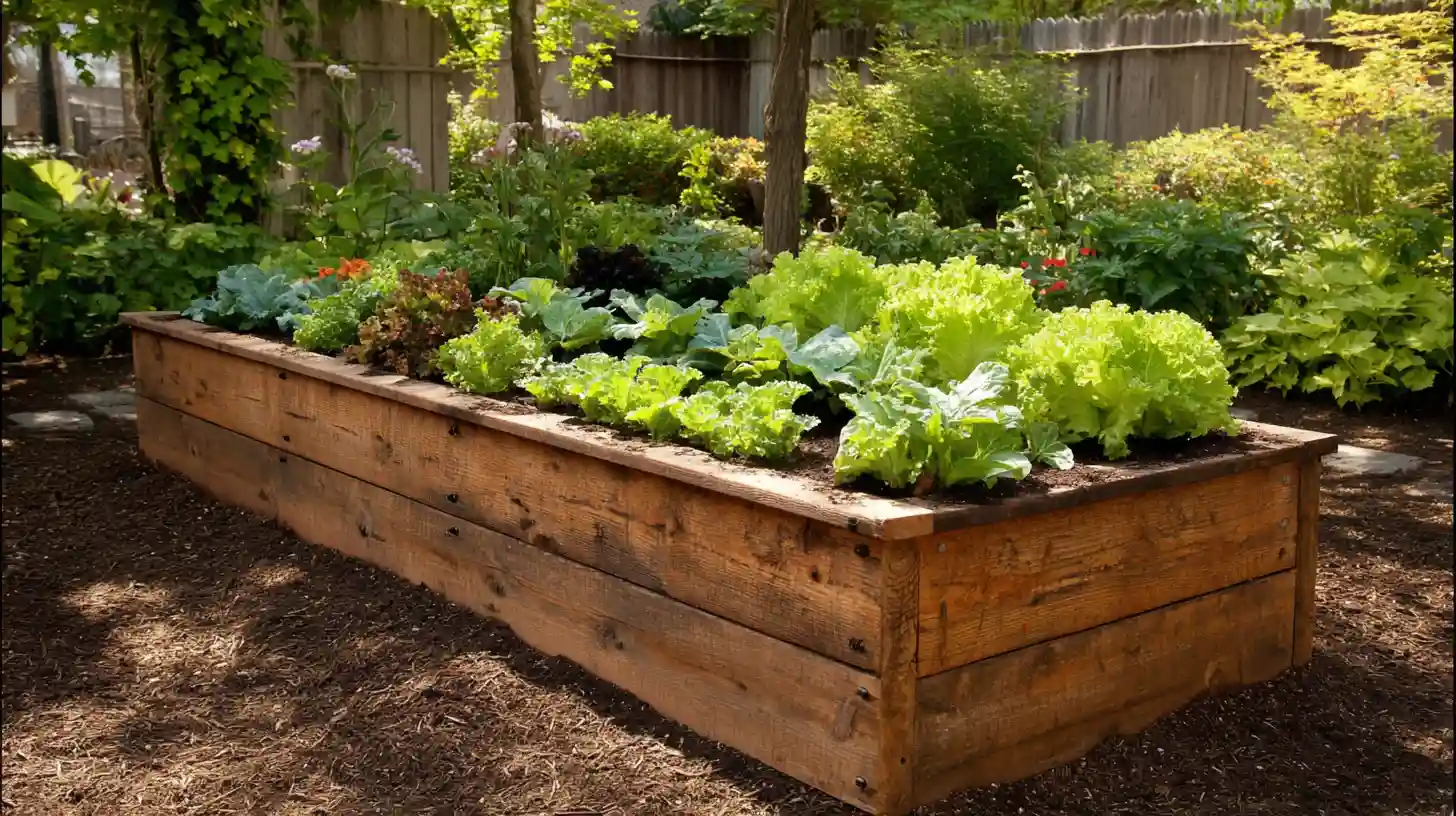
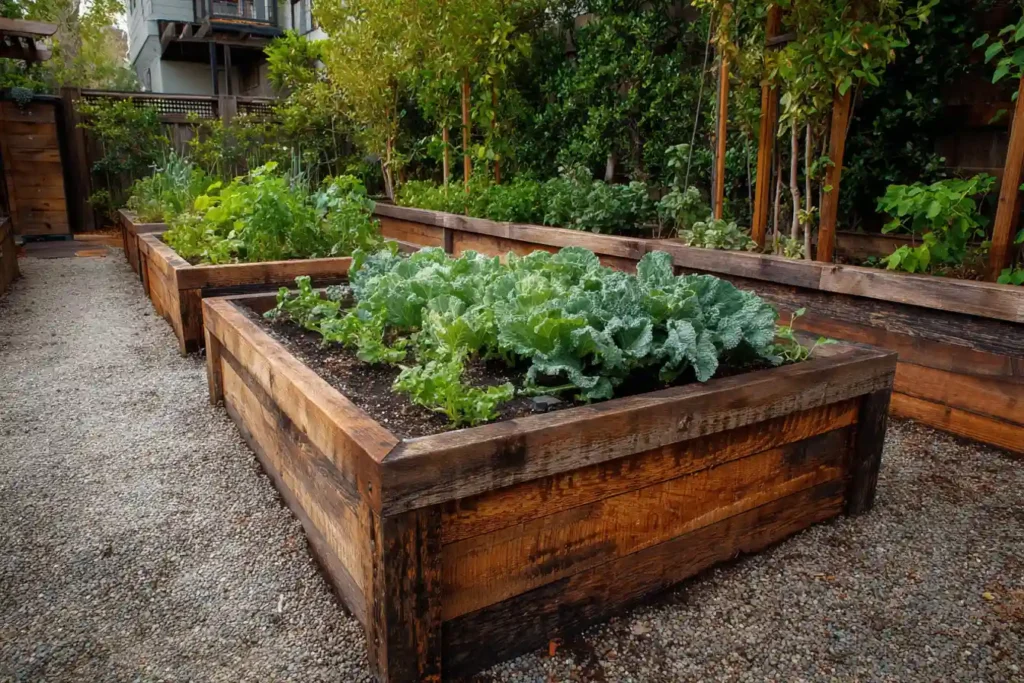
Raised garden beds are simple, elevated planting areas built above your natural soil, usually framed with wood, metal, or stone. Instead of digging directly into the ground, you fill the bed with fresh, nutrient-rich soil that gives your plants an easier, healthier start. The elevation helps warm the soil earlier in spring, keeps everything neatly contained, and creates a space that’s easier to reach without bending too far.
For homeowners dealing with rocky soil, clay, or patchy lawns, raised garden beds offer a gentle solution. You get to start fresh,clean soil, clean structure, and a clear plan,without having to fight what your yard already has.
Benefits of Raised Garden Beds for American Homeowners
Raised garden beds solve many of the common challenges found in U.S. backyards. They improve drainage during heavy rain, help you grow more food in smaller spaces, and reduce the amount of weeding you’ll need to do. Because the soil stays loose and airy, roots grow more easily, which means healthier vegetables and flowers.
And perhaps most helpful of all: raised beds create a calmer, more organized garden. Everything has its place, the edges stay tidy, and your yard feels like a peaceful corner you can step into at the end of the day
Key Benefits of Raised Garden Beds
Better Soil Control and Drainage
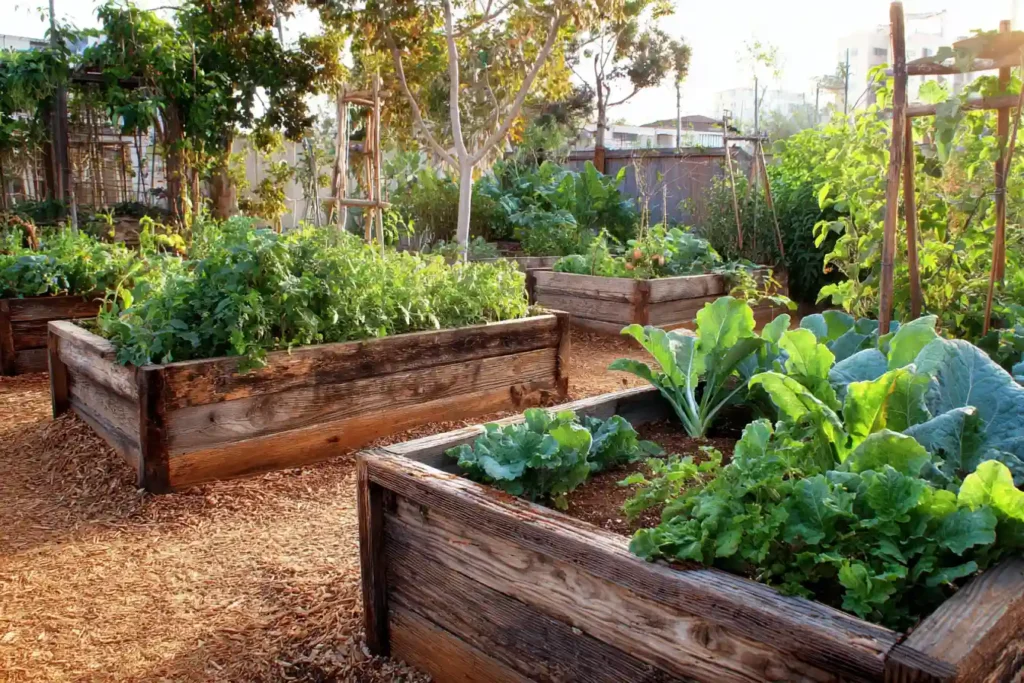
One of the gentlest advantages of raised garden beds is the way they let you start with soil that’s soft, healthy, and full of life. Instead of battling clay, rocks, or compacted ground, you create your own little ecosystem.loose soil that drains well after a storm but still holds enough moisture for steady growth. Your plants settle in quickly, and you’ll notice fewer problems with root rot or soggy patches.
Easier Gardening and Accessibility
Raised garden beds lift your plants closer to you, making gardening feel lighter and more comfortable. Whether you’re tending herbs before dinner or pulling a few weeds on a sunny morning, the extra height reduces bending and kneeling. Many homeowners also choose taller beds to make gardening more accessible for family members with limited mobility, so the joy of growing is shared by everyone.
Higher Yields in Small Backyard Spaces
Because the soil stays loose and fertile, you can plant a little closer together than in traditional in-ground gardens. This “intensive planting” naturally shades the soil, reduces weeds, and creates a lush, full look. Even small yards or narrow side yards with just a strip of sunlight can become abundant with greens, tomatoes, peppers, and herbs.
Longer Growing Season in Raised Garden Beds
Raised soil warms earlier in the spring and cools more slowly in the fall. That means you can plant sooner, harvest longer, and enjoy fresh food just a little deeper into the season. For many homeowners, this extended window is the quiet gift that makes raised beds feel extra rewarding
Choosing the Best Raised Garden Beds for Your Yard
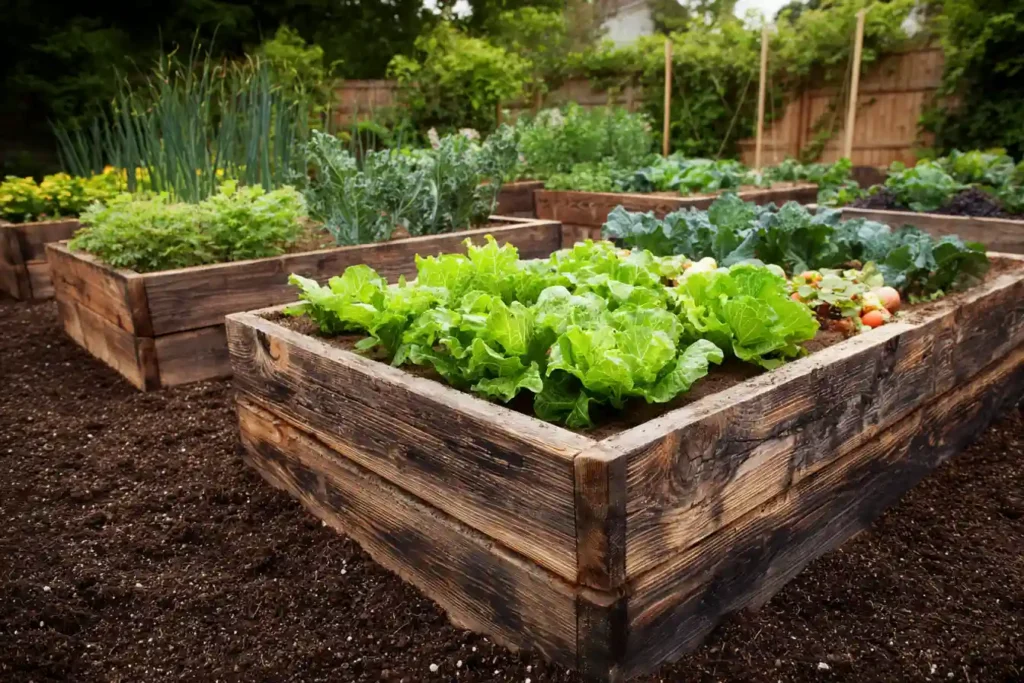
Raised Garden Bed Materials. Wood, Metal, and Stone
The material you choose shapes both the look and the longevity of your raised garden beds. Each option brings its own rhythm and style to the garden, and the right choice often depends on the feeling you want your space to have.
Pros and Cons of Wooden Raised Garden Beds
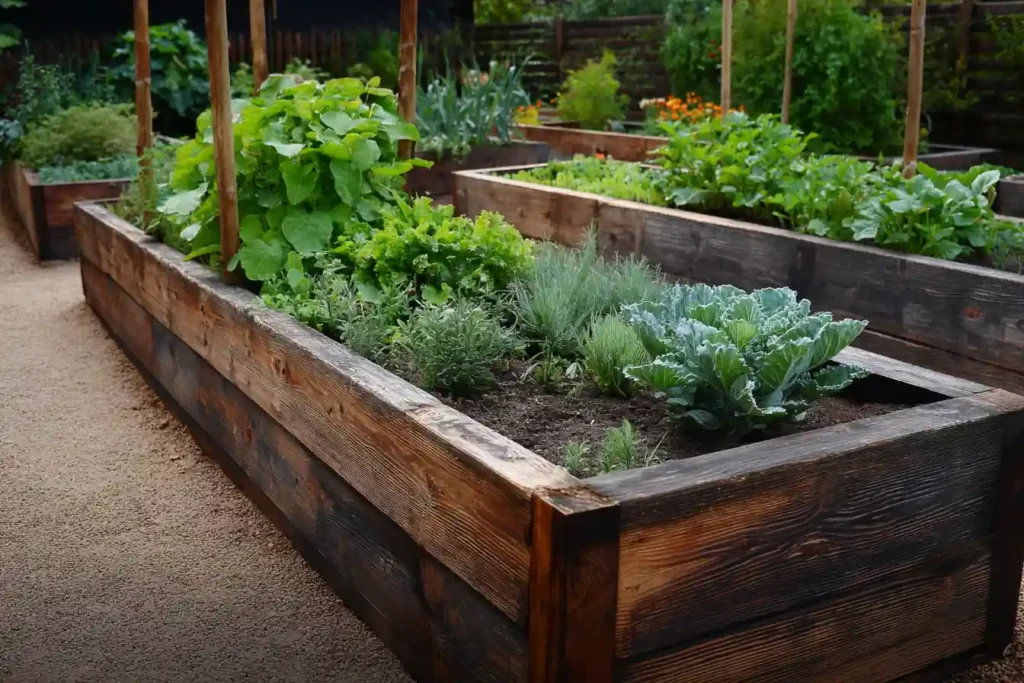
Wood brings a natural, warm look that blends easily into any backyard. Cedar and redwood are favorites because they resist rot without the need for chemicals. They’re light enough for DIY building and easy to customize.
Pros.
-
Gentle, natural aesthetic
-
Easy to cut, shape, and build
-
Cedar and redwood last many years
Cons.
-
Untreated pine is affordable but breaks down faster
-
Wood eventually needs replacement, especially in humid climates
Pros and Cons of Metal Raised Garden Beds
Metal beds, especially galvanized steel, give gardens a clean, modern feel. They hold their shape beautifully and last a long time.
Pros.
-
Very durable
-
Sleek, structured appearance
-
Resistant to rot and pests
Cons.
-
Can be pricier upfront
-
May warm quickly in full summer sun (a benefit in cooler climates, something to monitor in warmer ones
Pros and Cons of Stone or Block Raised Garden Beds
Stone beds feel timeless, almost like they’ve grown with the landscape. They’re especially lovely in yards where homeowners want a quieter, grounding presence.
Pros.
-
Extremely long-lasting
-
Heavy, stable, and beautiful
-
Great for sloped yards
Cons.
-
Labor-intensive to build
-
More expensive
-
Not easily moved once installed
Ideal Size and Height for Raised Garden Beds
Most gardeners find that beds 3,4 feet wide feel just right,you can reach the center without stepping inside, which keeps the soil airy. Length is flexible, though many homeowners choose 6,8 feet to fit along fences or walkways.
Height depends on your needs.
-
10,12 inches works for most vegetables
-
18,24 inches offers easier access and deeper root space
-
30 inches+ is wonderful for mobility-friendly gardening
Finding the Right Location for Your Raised Garden Beds
Look for a place where your raised garden beds can soak in 6,8 hours of sunlight each day. A south-facing area is often ideal. Also consider:
-
Easy access to a hose or irrigation
-
Space to walk comfortably around the bed
-
Avoiding low spots where water may pool
-
A location you naturally pass by, plants thrive when you see them often
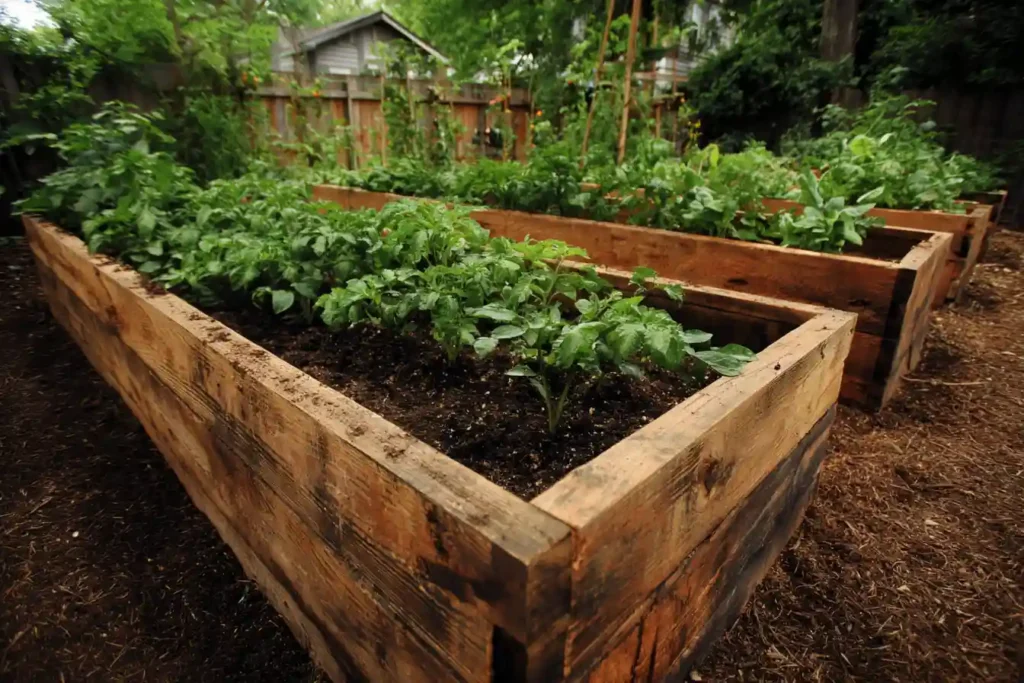
DIY Raised Garden Beds with Simple Tools
Building your own raised garden beds can feel wonderfully satisfying,as if you’re shaping a small sanctuary right into the landscape. Most DIY beds use basic materials like wood or stone, and the process is approachable even for beginners. With a few tools, a free afternoon, and a clear plan, you can create a bed that fits your yard perfectly.
Basic Steps to Build a Wooden Raised Garden Bed
-
Choose your lumber.
Cedar and redwood last longest, but untreated pine works if you’re gardening on a budget. -
Measure and cut your pieces.
A common and comfortable size is 4 feet wide by 6–8 feet long. -
Assemble the frame.
Use exterior screws to connect the boards, keeping the frame square and steady. -
Place the bed in its location.
Set it directly on the ground or on a layer of cardboard to help smother grass and weeds. -
Level the frame.
Take a moment to adjust each corner, so water flows evenly through the soil. -
Fill with soil.
Add a mix of topsoil, compost, and organic matter,rich, airy soil is the heart of healthy raised garden beds.
Common DIY Mistakes to Avoid
-
Building beds that are too wide to reach the center
-
Using treated or painted wood that may leach chemicals
-
Skipping the step of leveling, which can lead to uneven watering
-
Filling the bed with heavy, compacted soil instead of a light garden mix
When to Use Raised Garden Bed Kits
Garden bed kits are a lovely option if you prefer a faster or more polished setup. Many come with pre-cut materials, weather-resistant finishes, and hardware included. They’re ideal for beginners, busy homeowners, or anyone who wants a clean, uniform look without much effort.
Choose a kit if you want.
-
A quick, no-measure installation
-
Metal or composite materials that last for years
-
Matching beds for a symmetrical garden layout
Installing and Leveling Your Raised Garden Beds
Whether you build or buy your raised bed, the installation is a quiet but important step. Place the frame in a spot with plenty of sunlight and make sure the ground underneath is as even as possible. A level bed ensures consistent soil moisture and helps roots grow without stress.
If your yard slopes, you can gently dig into the high side to create a flat surface. Once the bed feels steady and balanced, fill it with soil and let it settle slightly before planting
Soil, Plants, and Ongoing Care for Raised Garden Beds
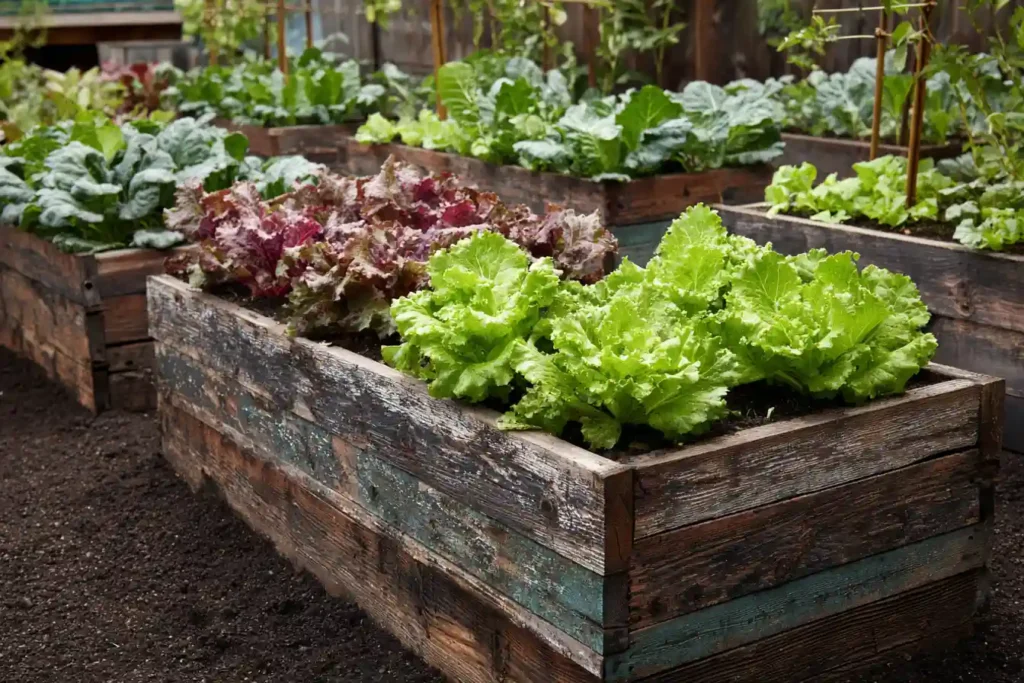
Best Soil Mix for Raised Garden Beds
The soil inside raised garden beds is like a soft invitation for roots to stretch and explore, so creating the right blend makes all the difference. You want soil that feels light in your hands, smells earthy and alive, and drains well while still holding just enough moisture.
A healthy mix often includes.
-
Organic topsoil for structure and volume
-
Compost to enrich the bed with steady nutrients
-
Coconut coir or peat moss to help the soil stay airy and evenly moist
-
Perlite or coarse sand to prevent soggy pockets and improve overall drainage
Instead of pressing the soil down, let it rest loosely inside the bed. Over time, it will settle naturally, and you can revive it each season with a fresh layer of compost.
Choosing Vegetables, Herbs, and Flowers for Raised Beds
Raised garden beds create a gentle environment that works beautifully for many plants. Vegetables enjoy the warm, forgiving soil. Herbs flourish because their roots never sit in waterlogged ground. Flowers bring color, movement, and visiting pollinators.
Here are some easy, reliable choices:
-
Vegetables. lettuce, spinach, cherry tomatoes, bush beans, zucchini, radishes
-
Herbs. mint (in a pot), oregano, dill, sage, cilantro
-
Flowers. calendula, sunflowers, alyssum, lavender
Mixing a few flowers among your vegetables not only adds charm but also encourages bees and butterflies to visit your garden.
Watering and Drainage Tips for Raised Garden Beds
Because raised beds sit above the ground, the soil tends to dry out a bit faster,especially in warm or breezy climates. Watering slowly and deeply helps moisture reach the roots where plants need it most.
A few gentle habits help keep your beds thriving.
-
Water early in the day, when the sun is still soft
-
Test the soil with your fingers; if the top inch is dry, it’s time to water
-
Add a layer of mulch to hold moisture and reduce heat stress
-
Use drip lines or soaker hoses for steady, low-maintenance watering
These small routines keep your plants comfortable and supported through changing weather.
Seasonal Care and Refreshing the Soil Each Year
As plants grow and finish their cycles, the soil gradually uses up nutrients. Refreshing it each year helps your garden stay abundant and resilient.
Simple yearly care includes.
-
Adding fresh compost in early spring
-
Mixing in fallen leaves or other organic matter for structure
-
Gently loosening the soil after removing finished crops
-
Covering the bed with mulch or a winter blanket of leaves to protect it in cold months
These quiet, seasonal rituals help your raised garden beds stay rich, balanced, and full of promise year after year
Raised Garden Bed Ideas for Different Spaces and Needs
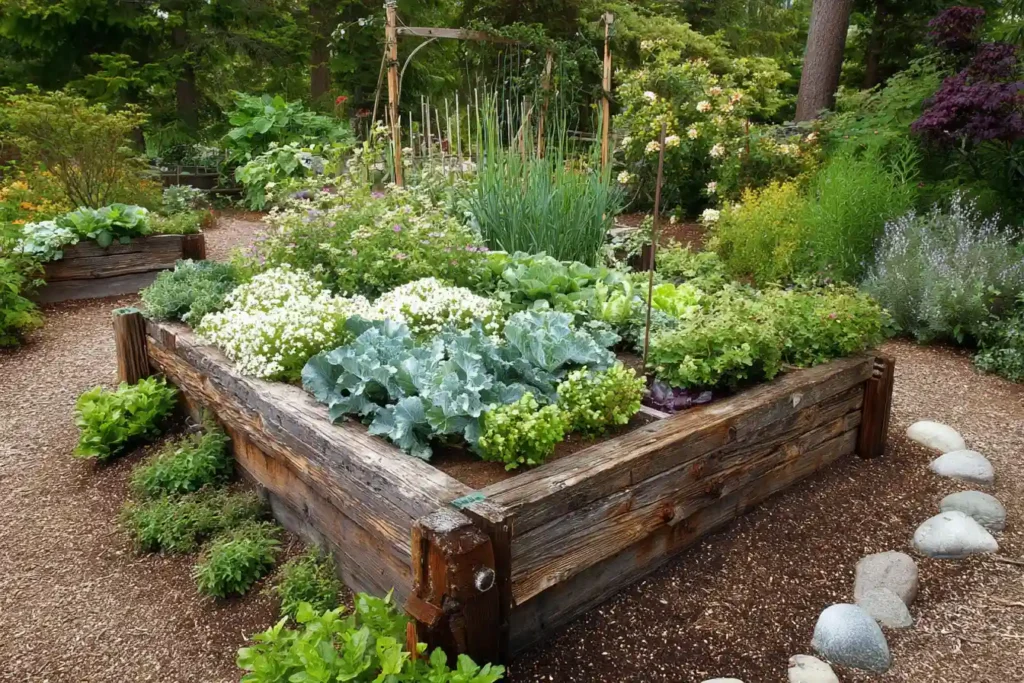
Raised Garden Beds for Small Yards and Patios
Even the smallest outdoor spaces can hold a gentle touch of gardening magic. In compact yards or patios, raised garden beds help you grow upward and outward without feeling cramped. Choose narrower beds or place a few shorter boxes along a fence line. If your patio has limited sun, look for bright spots that receive morning light,many herbs and leafy greens thrive beautifully there.
Adding trellises or vertical supports allows vining plants like cucumbers, pole beans, or flowering sweet peas to climb upward, bringing height and movement to a small area.
Decorative Raised Garden Beds with Flowers and Shrubs
If you want your raised garden beds to feel like part of the landscape, consider filling them with flowers, ornamental grasses, or low-growing shrubs. Choosing plants with varied heights and textures adds softness and rhythm.
Some lovely decorative options include,
-
Lavender for fragrance
-
Dwarf conifers for structure
-
Salvia or black-eyed Susans for color
-
Trailing flowers that spill gently over the edges
These beds become living focal points. quiet corners that bring color and calm to your yard through every season.
Raised Garden Beds for Kids and Family Gardening
Raised beds create a welcoming, organized space for children to explore nature. The clean edges and contained soil make it easy for little hands to participate without overwhelming them.
Kid-friendly ideas include.
-
A dedicated snack bed with strawberries and cherry tomatoes
-
A sensory corner with mint (in a pot), basil, and soft lamb’s ear
-
Easy-to-grow plants like radishes or sunflowers can help build confidence
Gardening together becomes a sweet family ritual,watering in the evening, checking for new sprouts, and sharing the excitement of harvesting something grown at home.
Accessible Raised Garden Beds for Limited Mobility
Tall raised garden beds around 28,32 inches high bring the garden closer to eye level, making it easier for anyone with back, knee, or mobility challenges to enjoy planting and harvesting. These beds work beautifully along patios or walkways where wheelchairs or garden stools fit comfortably.
Consider.
-
Wider top edges for resting hands or tools
-
Smooth paths around the bed for safe movement
-
Drip irrigation to reduce bending and lifting
With thoughtful design, gardening becomes a relaxing, healing experience for every member of the household
Common Raised Garden Bed Mistakes to Avoid
Using the Wrong Materials or Treated Wood
Some materials can quietly work against the health of your garden. Pressure-treated or chemically coated wood, for example, may release substances you don’t want near edible plants. It’s safer to choose untreated lumber, cedar, redwood, metal, or stone materials that age naturally and won’t interfere with the soil.
The same goes for inexpensive boards that break down too quickly. While budget-friendly options are tempting, flimsy materials often warp or rot after just one season, leaving you to rebuild sooner than you’d like.
Poor Soil Mix or Overfilling Raised Garden Beds
Filling your raised garden beds with heavy or compacted topsoil can leave roots struggling to breathe. Likewise, overfilling the bed can cause soil to spill over the sides each time you water. A soft, airy blend, rich in compost and organic matter, keeps everything in balance.
A simple habit: fill the bed to a level slightly below the rim. This gives water a place to settle without washing soil away.
Ignoring Sunlight, Watering, and Drainage
Even the healthiest soil can’t make up for a poorly placed bed. Plants that need full sun won’t thrive in shaded corners, and beds placed at the bottom of a slope may stay too wet after rainfall. Spend a few quiet minutes observing how the light moves across your yard; it’s a small task that pays off all season long.
Watering is equally important. Raised beds dry out faster than ground-level gardens, so your plants may need a more consistent schedule, especially during warm months.
Not Planning Plant Spacing or Growth
It’s easy to place seedlings close together; they look so small at first. But as they grow, crowding can limit airflow and invite pests. Giving each plant the room it needs helps create a healthier garden with fewer problems later.
Before planting, check the expected mature size of each crop. With a little planning, your bed will stay open, balanced, and full of natural movement
Conclusion and Simple Checklist to Start Your Raised Garden Beds
Raised garden beds have a way of bringing your outdoor space to life. They create tidy, welcoming pockets where plants can grow with ease and where you can slow down for a few quiet minutes each day. With their lifted structure and rich soil, these beds offer a simple path toward healthier plants and a more enjoyable gardening experience, whether you’re a beginner or have spent years tending the earth.
They turn a backyard into something more than a lawn; they become a place to wander with your morning coffee, to notice new sprouts, and to watch small changes unfold through each season.
Here’s a gentle checklist to help you get started with confidence.
Simple Starter Checklist
-
Pick a spot that receives steady sunlight
-
Choose materials that feel right for your style and climate
-
Keep the bed narrow enough to reach the center comfortably
-
Fill it with a loose, nutrient-rich soil blend
-
Add compost in spring or fall to nourish the soil
-
Water slowly and deeply so moisture reaches the roots
-
Select plants that match your sunlight and space
-
Use mulch to protect soil and minimize weeds
With these steps in place, your raised garden beds will offer a peaceful, productive space,one that brings a bit of calm and beauty to your everyday routine