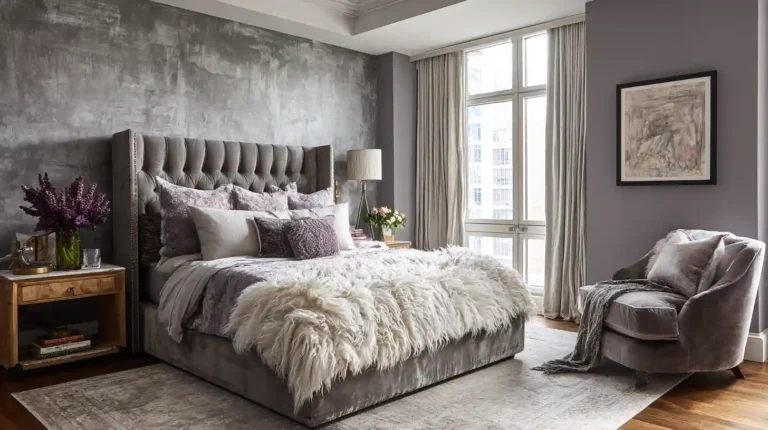

Discover pink bedroom ideas that feel modern and grown-up
Pink bedrooms have come a long way from feeling overly sweet or youthful. Today, pink bedroom ideas are about balance, softness mixed with structure, warmth paired with clean lines, and color used intentionally rather than everywhere at once.
For many US female homeowners, pink works best when it supports the function of the bedroom: rest, comfort, and a sense of calm at the end of the day. The key isn’t choosing the “right” pink, but understanding where pink belongs in the room, how it interacts with light, and how it affects the overall layout.
Whether you’re styling a small bedroom, updating a master suite, or just looking for a subtle refresh, these ideas will help you use pink in a way that feels mature, cohesive, and easy to live with
Why Pink Works So Well in Bedrooms

Pink has a natural ability to soften a space without overwhelming it. In a bedroom, that softness matters. Unlike brighter or cooler colors, pink gently absorbs light, which helps the room feel calmer and more settled, especially at night when you’re winding down.
From a layout perspective, pink works well because it doesn’t visually “push” the walls forward the way darker colors can. This makes it especially effective in bedrooms where you want the space to feel relaxed rather than energized.
The emotional effect of pink in a bedroom
Pink creates a sense of warmth and ease. Soft pinks can make a bedroom feel more welcoming the moment you walk in, while deeper tones add comfort and depth without feeling heavy.
Many homeowners also like pink because it.
-
Feels personal without being loud
-
Softens sharp furniture lines
-
Adds warmth to rooms that feel too neutral or cold
Used thoughtfully, pink supports rest and comfort, which is exactly what a bedroom should do.
Pink vs. neutral bedrooms: how the room feels
Neutral bedrooms are timeless, but they can sometimes feel flat or unfinished. Pink adds dimension while still behaving neutrally when paired correctly.
Instead of replacing neutrals, pink often works best alongside them:
-
Pale pinks act like a warmer version of beige
-
Dusty rose tones soften white and gray palettes
-
Pink accents guide the eye without dominating the room
This balance allows the bedroom to feel layered and intentional, not themed.
Best Pink Bedroom Ideas by Shade
Choosing the right shade of pink is what makes a bedroom feel polished rather than overwhelming. Each tone affects how the space is perceived in terms of its size, brightness, and overall mood. Instead of thinking of pink as one color, it helps to think in layers of intensity.
Soft blush and pale pink for calm spaces

Blush and pale pink are some of the easiest shades to live with. They reflect light gently, which makes bedrooms feel open and restful.
These shades work especially well when.
-
The bedroom is small or lacks natural light
-
You want pink walls without a strong color statement
-
The furniture is white, light wood, or upholstered
In terms of layout, blush works best as a background color. It allows the bed, nightstands, and lighting to remain the focal points rather than competing for attention.
Dusty rose and mauve for grown-up bedrooms
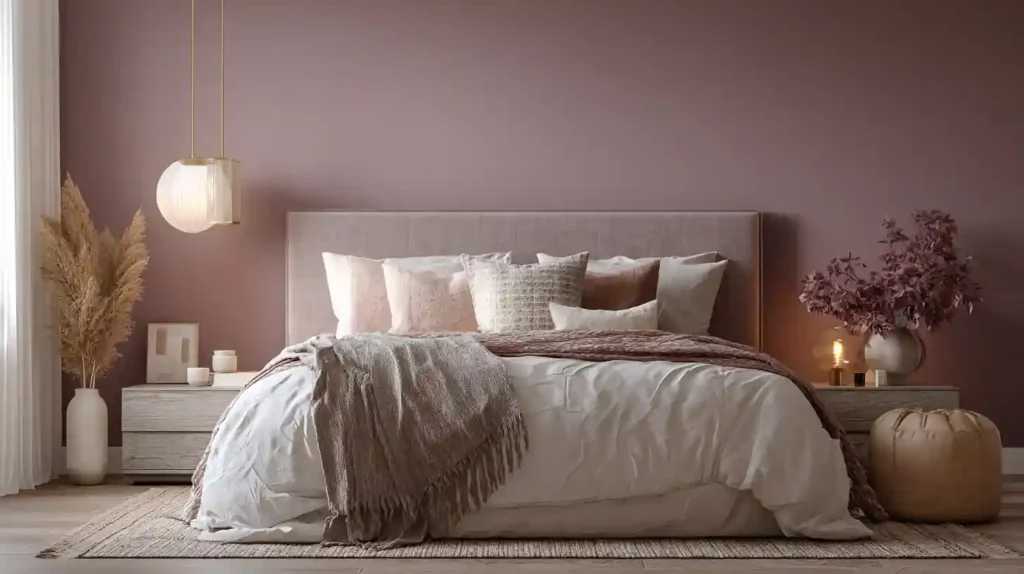
Dusty rose and mauve introduce depth while still feeling soft. These tones have gray or brown undertones, which makes them feel more refined and less sweet.
They’re ideal for.
-
Master bedrooms
-
Homes with modern or transitional style
-
Pairing with layered bedding and textured fabrics
From a design perspective, these shades anchor the room nicely. They work well on an accent wall behind the bed or through larger elements like curtains or upholstered headboards.
Dark pink and berry tones for statement rooms
Deeper pinks like berry or muted raspberry create drama and intimacy. These are best used intentionally rather than throughout the entire space.
They work well when
-
Used on a single wall or in textiles
-
Balanced with lighter bedding and neutral flooring
-
Paired with warm lighting to avoid feeling heavy
In larger bedrooms, darker pinks help define zones, especially around the bed. In smaller rooms, they’re most effective as accents rather than wall colors.
Pink Bedroom Ideas for Different Room Sizes

Room size plays a big role in how pink should be used. The same shade can feel light and airy in one bedroom, but heavy in another. Thinking about scale and layout first helps pink support the space instead of overpowering it.
Pink bedroom ideas for small rooms
In smaller bedrooms, pink works best when it keeps the room visually open. Lighter shades and controlled placement make a noticeable difference.
Design tips that work well in small spaces:
-
Use pale pink on walls to soften the room without shrinking it
-
Keep ceilings, trim, and bedding light to maintain contrast
-
Limit darker pinks to pillows, throws, or artwork
From a layout standpoint, pink is most effective when it stays behind the bed or along the main wall you see when entering the room. This keeps the space feeling calm and organized rather than busy.
Pink bedroom ideas for large master bedrooms
Larger bedrooms allow more flexibility with color depth and layering. Pink can help define the sleeping area and make the space feel more intimate.
In master bedrooms, pink works well when:
-
Used on an accent wall behind the bed
-
Layered through textiles like rugs, drapes, and upholstered furniture
-
Balanced with neutrals so the room doesn’t feel too warm
Because larger rooms can sometimes feel empty, pink helps visually pull the space together. It adds warmth and focus, especially when paired with well-placed lighting and symmetrical furniture layouts.
How to Balance Pink with Other Colors

Balancing pink with the right supporting colors is what makes a bedroom feel intentional and grown-up. Pink works best when it’s not asked to do all the visual work on its own. Instead, it should be part of a palette that gives the room structure and contrast.
Pink and white bedroom ideas
White is one of the easiest and most reliable partners for pink. It keeps the room feeling fresh and prevents pink from becoming overwhelming.
This combination works especially well when:
-
Pink is used on walls, and white stays on bedding and trim
-
White furniture helps ground softer pink tones
-
Natural light is limited, and the room needs to feel brighter
From a layout standpoint, white helps define edges of bed frames, nightstands, and window trim so the room feels crisp even with soft color on the walls.
Pink and gray bedroom ideas
Gray adds sophistication and balance to pink, especially in adult bedrooms. Cooler grays help tone down warmer pinks, while warmer grays pair nicely with dusty rose or mauve.
This pairing is effective when
-
Gray is used in larger pieces like rugs or upholstered beds
-
Pink appears through bedding, art, or an accent wall
-
The room needs a more modern or tailored feel
Design-wise, gray helps anchor the space, giving pink a more structured role within the room.
Pink with wood tones and natural textures
Wood tones and natural textures keep pink grounded and livable. This is one of the most versatile combinations, especially for US homeowners who want warmth without trend overload.
Pink pairs beautifully with
-
Light wood for airy, modern bedrooms
-
Medium or warm wood for cozy, inviting spaces
-
Textures like linen, wool, and woven accents
These elements add depth and prevent the room from feeling flat. They also help pink feel timeless rather than decorative.
Pink Bedroom Furniture and Decor Choices
When pink is used thoughtfully in furniture and decor, it adds personality without locking the room into a single look. The goal is to let pink enhance the layout, not dominate it.
When to use a pink bed or headboard
A pink bed or headboard works best when it becomes the clear focal point of the room. Upholstered headboards in blush, dusty rose, or muted mauve feel soft and inviting without overpowering the space.
This choice works well when:
-
Walls are neutral white, cream, or light gray
-
The bed is centered on the main wall
-
Other furniture stays simple and understated
From a layout perspective, a pink headboard helps anchor the room visually. It draws attention to the bed while keeping the surrounding elements calm and balanced.
Pink accents: bedding, rugs, art, and lighting
Accent pieces are often the easiest way to introduce pink and the most flexible. They allow you to test the color without committing long-term.
Well-placed pink accents include
-
Layered bedding with subtle pink tones
-
Area rugs that soften the floor and connect the layout
-
Artwork that adds color at eye level
-
Lamps or light fixtures with warm pink undertones
Accents work best when they’re spread throughout the room rather than clustered in one spot. This creates visual flow and helps pink feel integrated into the overall design.
Modern Pink Bedroom Ideas for Adults

Modern pink bedrooms focus on restraint and clarity. The color is present, but it’s edited. Clean lines, intentional layouts, and a limited palette help pink feel elevated rather than decorative.
Minimal pink bedrooms that don’t feel childish
In minimalist bedrooms, pink works best when it’s subtle and purposeful. Instead of bright tones, think muted shades that blend quietly into the space.
Design approaches that work well.
-
Use pink on one surface, like an accent wall or headboard
-
Keep bedding neutral with just a hint of pink
-
Choose streamlined furniture with simple silhouettes
From a layout standpoint, minimal pink bedrooms rely on symmetry and spacing. Fewer pieces, placed thoughtfully, allow the color to breathe and feel calm.
Elegant pink bedroom ideas for women homeowners
For a more refined look, pink pairs beautifully with soft textures and tailored elements. This style feels personal but polished, ideal for adult bedrooms that still want warmth.
Elegant combinations often include:
-
Dusty pink walls with crisp white bedding
-
Soft pink textiles layered with grays or taupes
-
Metallic or ceramic accents are used sparingly
These bedrooms tend to feel balanced because pink is treated as part of the overall design language, not the theme itself. The result is a space that feels inviting, mature, and easy to live with.
How to Update a Bedroom with Pink Without Repainting

If you want fresh pink bedroom ideas without committing to paint, you can still get that soft, styled look through layers. This approach is especially practical if you like to change things seasonally or you just don’t want a big project right now.
Temporary and renter-friendly pink bedroom ideas
These options create a pink moment without permanent changes
-
Peel-and-stick wallpaper behind the bed
Use it like an accent wall. It frames the headboard and instantly makes the bed area feel intentional. -
Removable wall decals or oversized art
A large print with pink tones adds color at eye level, which makes the room feel designed, not just decorated. -
Pink curtains, especially dusty rose or muted blush
Curtains are a layout trick: they add vertical height and soften the edges of the room. -
Slipcovers and pillow covers
If you have a bench, chair, or reading corner, fabric swaps give you pink in one defined zone.
Budget-friendly pink decor swaps
If you want the biggest impact for the least money, focus on items that cover more visual real estate.
-
Bedding. A blush duvet cover or quilt changes the whole mood fast
-
Area rug. pink or pink-patterned rugs warm up the floor and pull furniture together
-
Throw pillows + one textured blanket. keep it simple 2–4 pillows max looks cleaner
-
Lampshades or warm bulbs. Lighting makes pink feel softer and more flattering at night
A helpful rule: try to repeat pink in 2–3 places around the room, bed + art + rug, for example. That creates flow, so the color feels cohesive instead of random.
FAQ. Pink Bedroom Ideas
How do I make a pink bedroom look grown-up, not childish
Stick to muted shades like blush, dusty rose, or mauve, and balance them with structured neutrals, white, gray, taupe, plus natural textures, wood, and linen. Keep patterns minimal and let one hero element, like a headboard or accent wall, do the talking.
What colors go best with pink in a bedroom
The easiest pairings are white, gray, and warm wood tones. For a richer look, try taupe, cream, or small accents of black frames and hardware to add contrast.
Is pink a good color for a small bedroom
Yes, lighter pinks can actually make a small room feel softer and more open, especially when you keep the ceiling, bedding, and trim light. In tight rooms, use deeper pinks as accents rather than full walls.
What’s the best pink paint shade for bedrooms
It depends on your lighting and undertones. In general, blush works well in bright rooms, while dusty rose/mauve tends to look more sophisticated and forgiving in mixed or lower light. Always test samples on multiple walls and check them morning and night.
How can I add pink without repainting
Try pink through bedding, curtains, a rug, artwork, or peel-and-stick wallpaper behind the bed. Repeating pink in 2–3 spots (bed + art + rug) makes it look cohesive.
What’s the easiest way to avoid too much pink
Choose one main pink area, such as walls, bedding, or headboard, then keep everything else neutral. Use texture, linen, knits, woven pieces, to add depth without adding more color.