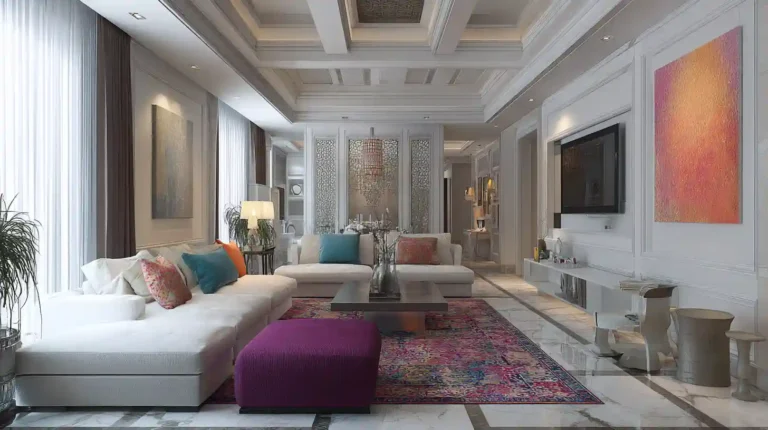
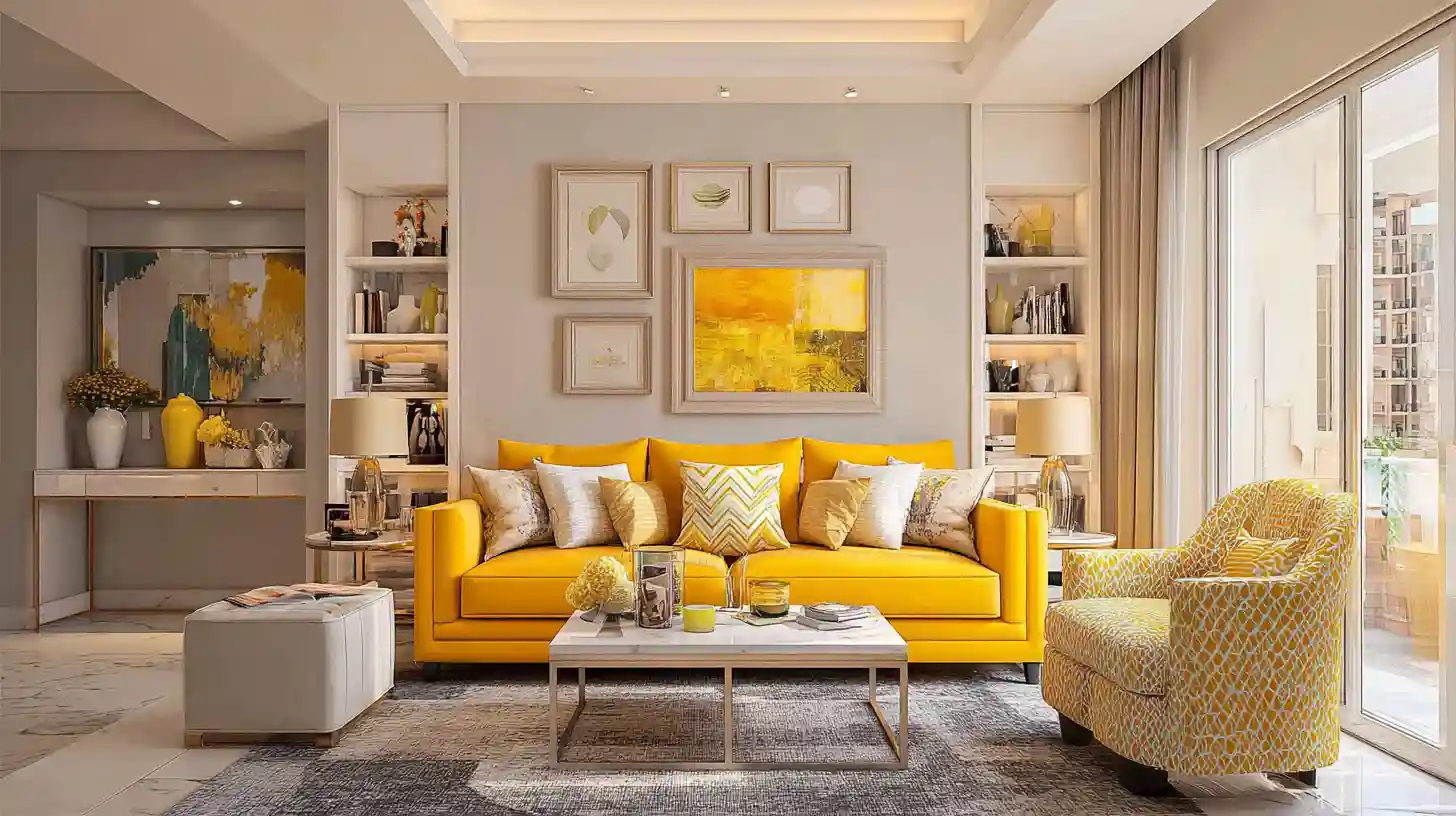
Living Room Decor Ideas 2026. Trends, Layouts & Color Tips
Living room decor in 2026 is all about comfort that looks intentional, think soft, sink-in seating, personality-forward styling, and pieces that feel collected over time rather than bought in one trip. I’m going to walk you through the trends you’ll actually use, plus the simple design moves that make a room feel finished even on a real-life budget.
Expect warm neutrals, richer color moments, layered textures, and a curated but lived-in vibe that photographs beautifully and feels even better at the end of the day.
Current Living Room Decor Trends for 2026
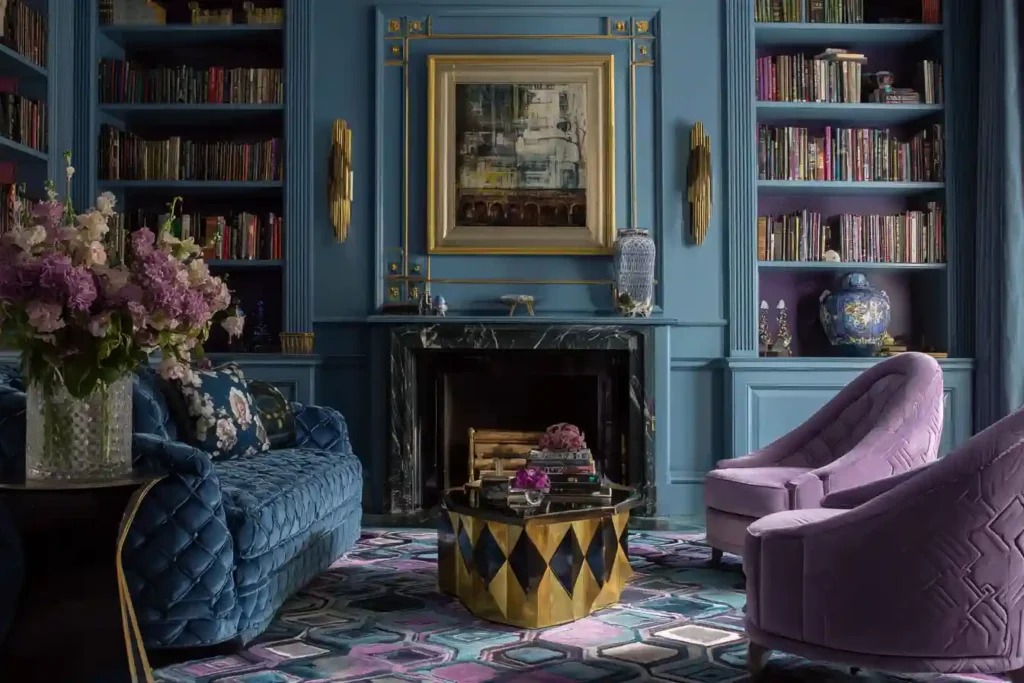
Comfort and personality
In 2026, the pretty but stiff living room is officially out. The goal is a space that feels welcoming the moment you step inside, without sacrificing style.
Try these comfort-first upgrades.
-
Oversized seating. A sofa with deep cushions (or a sectional) that actually invites you to sit.
-
A generous rug. Ideally, large enough so that at least the front legs of your main seating sit on it.
-
Soft layering. Add a plush throw and two pillow textures, such as linen and velvet, to prevent it from feeling flat.
Layered textures and vintage pieces
This is where rooms start to look designer. The trick is mixing materials so everything doesn’t land in the same new and matchy category.
My favorite texture stack for a warm, elevated look
-
A nubby fabric, bouclé or woven linen
-
A smooth element, leather, lacquer, or a sleek metal finish
-
A natural finish of oak, walnut, rattan, or stone
-
Something with age, a vintage mirror, an antique bowl, a thrifted side chair
Styling tip. One vintage piece per zone is enough to make the room feel collected.
Curated maximalism and architectural silhouettes
Minimalism isn’t gone. It just got more personal. Curated maximalism means you can add more, but it’s edited. Think bold shapes, sculptural furniture, and decor that feels intentional.
Look for these 2026 silhouette trends.
-
Curved edges. Rounded coffee tables, barrel chairs, and arched lamps
-
Architectural accents. Fluted details, chunky legs, pedestal bases
-
Statement moments. One dramatic piece of art, lighting, or a console that anchors the room
Space Planning & Layout Guide
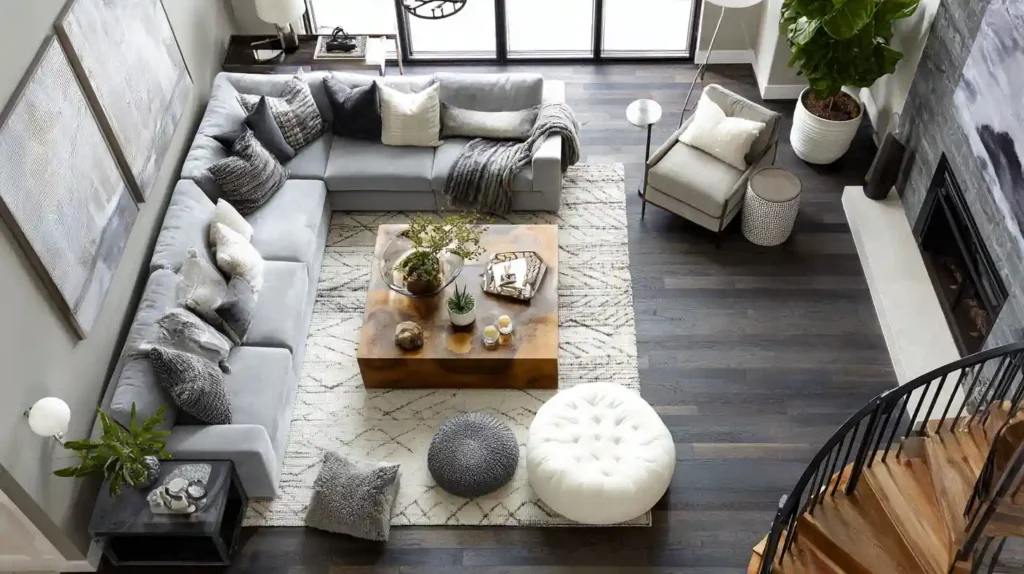
A gorgeous space starts with a smart layout. When your furniture is scaled correctly, and your walkways feel easy, your living room decor instantly looks more polished, like it was designed, not just arranged.
Measuring your living room feet/inches
Before you buy or even move a single piece, take 10 minutes to measure. It saves you from the why does this feel cramped moment later.
Grab this quick list.
-
Room length and width example. 12′ x 16′
-
Ceiling height example: 8′ or 9′
-
Window widths + how far they sit from corners
-
Door swings so you don’t block them
-
Fireplace or built-in dimensions, if you have them
Designer shortcut: Tape it out. Use painter’s tape to mark the footprint of.
-
A standard sofa roughly 84–96 long
-
A coffee table (roughly 36–54 long
-
A rug size you’re considering (like 8′ x 10′ or 9′ x 12′)
Furniture placement for small and large spaces
The secret is leaving breathing room and keeping pathways clear, so the space feels calm and intentional.
In small living rooms.
-
Choose one hero piece (usually the sofa) and keep everything else visually lighter.
-
Use a slim coffee table or two small nesting tables instead of one bulky piece.
-
Float the rug under the front legs of the seating to “expand” the footprint.
-
Swap a large end table for a drink table. Those tiny round ones are magic.
Spacing rules I style by.
-
Leave about 30–36 for the main walkways where you really walk.
-
Keep 14–18 between the sofa and coffee table, close enough to reach, not so close that you bump knees.
-
Aim for 3–6 between furniture and walls if you’re trying to avoid that “everything shoved back look.
In larger living rooms.
-
Float furniture away from the walls and build a conversation island.
-
Add a second seating moment like a reading chair + lamp so the room feels finished, not empty.
-
Use larger-scale anchors: a 9′ x 12′ rug, a wider media console, or an oversized coffee table.
Zoning tips for open-plan living
Open-plan spaces can look amazing, until they feel like one giant furniture showroom. Zoning gives your living room decor structure and makes the whole area feel purposeful.
Easy ways to define zones.
-
Rugs. One rug per zone living area, dining area, etc. This is the fastest fix.
-
Lighting. Put a floor lamp in the living zone and a pendant over the dining zone to create rooms within the room.
-
Furniture backs as boundaries. A sofa can act like a wall. Add a console table behind it for a styled, designer finish.
-
Art + curtains. Repeat color and materials across zones so the whole space feels cohesive, not chopped up.
My favorite open-plan layout formula.
-
The sofa faces the focal point. TV, fireplace, or statement art
-
Two chairs create a U-shaped conversation area
-
Rug anchors everything
-
A console or bookshelf softly separates zones
Color Palettes and Paint Inspiration
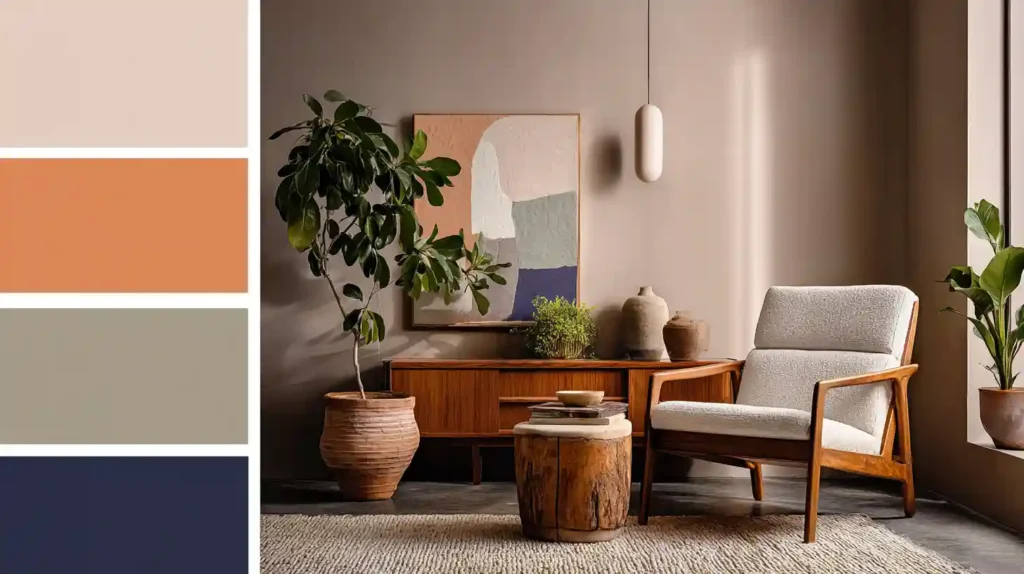
Color is the fastest way to shift the mood of your living room decor. For 2026, I’m seeing palettes that feel warmer, deeper, and more intentional, like the room has a point of view, not just beige because it’s safe.
Top Benjamin Moore & Sherwin-Williams picks
These are the types of shades designers keep reaching for because they play nicely with wood tones, cozy textiles, and real-life lighting.
Benjamin Moore vibe-starters.
-
Soft warm white for a clean, bright base, great for lower light rooms
-
Mushroom/taupe for that elevated neutral look
-
Moody blue-green for a relaxed, high-end feel, especially behind a sofa wall
Sherwin-Williams go-tos.
-
Creamy off-white for a warmer, welcoming backdrop
-
Earthy greige that won’t turn flat or cold
-
Deep olive for a modern, grounded statement
How to choose wall, ceiling, and accent colors
A designer-style color plan keeps your room feeling cohesive and taller, not chopped up.
Here’s my simple formula.
-
Walls. Your main color, what you’ll see most.
-
Ceiling, usually 1–2 shades lighter than the wall color for a softer, taller feel, or keep it classic white for crispness.
-
Trim/molding. Slightly brighter than the walls to frame the room cleanly.
-
Accent color. One controlled moment, a built-in fireplace surround, or one feature wall.
Practical tips that save you from repainting.
-
Test samples on two walls, one sunny, one shadowy.
-
Look at them morning, afternoon, and night with lamps on.
-
Match your undertone. If your sofa is warm (cream/tan), avoid icy gray walls.
Trending color schemes, warm neutrals, jewel tones, earthy hues
These are the 2026 color directions that feel both current and livable.
Warm neutrals cozy + timeless
-
Cream + camel + soft black accents
-
Warm white + oak + textured linen
Jewel tones rich + glamorous.
-
Deep teal + brass + creamy white
-
Sapphire + walnut + warm ivory
Earthy hues grounded + modern.
-
Olive + clay + natural wood
-
Terracotta + sand + aged bronze
Styling shortcut: Repeat your main color at least 3 times, pillows, art, and a throw, for example. That’s how a palette looks, designed, not random.
Lighting & Decor Accents
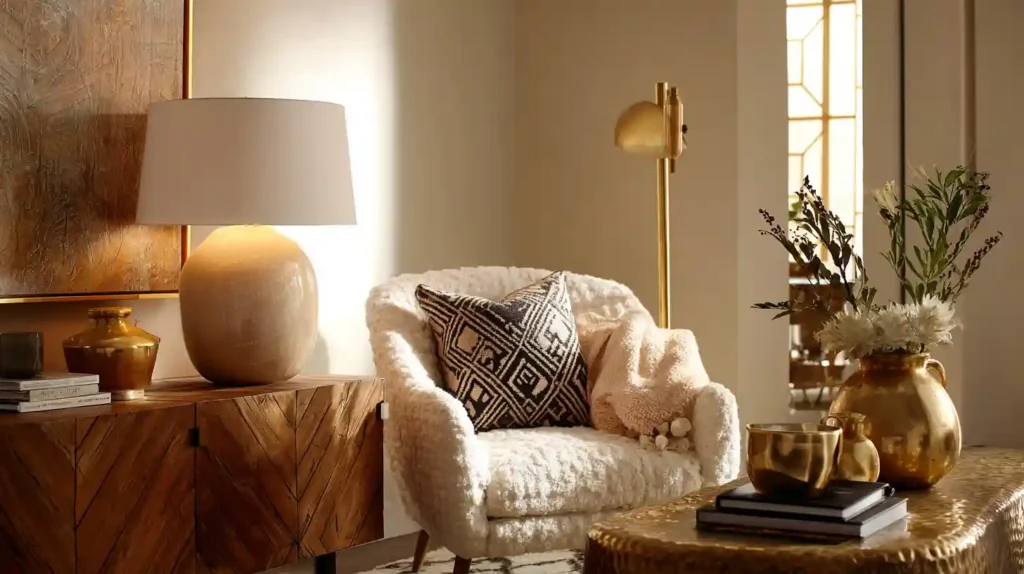
Lighting is the quiet hero of living room decor. When it’s layered well, the whole room feels warmer, more flattering, and more “done” (even if you didn’t change a single piece of furniture). Think of this section as your finishing-school moment: glow + texture + a few intentional accents.
Statement lighting fixtures
A statement fixture gives your room a focal point overhead and instantly elevates the vibe.
Easy wins that look designer:
-
Oversized pendant centered over the seating area (great in rooms with 9′ ceilings or higher)
-
Sculptural chandelier for a soft “wow” moment
-
Arched floor lamp to frame a sofa or reading corner
Quick placement tips:
-
Keep the bottom of a pendant/chandelier roughly 7′ from the floor in open walk areas.
-
If you’re hanging over a coffee table, aim for about 30–36 above the tabletop.
Accent pieces. cushions, throws, art, and antiques
This is where your personality shows up. The goal is collected, not cluttered.
My foolproof styling formula is Pinterest-friendly.
-
Pillows. 2–4 on the sofa, in 2 textures + 1 pattern
-
Throw. One cozy layer, drape it like you mean it, casual, not folded perfectly
-
Art: One large piece or a balanced pair) instead of lots of tiny frames
-
Antiques/vintage. One or two pieces for soul, like a brass bowl, an old book stack, or a vintage lamp
Pro styling move. Repeat one finish twice, brass in the lamp + picture frame, or black in the curtain rod + coffee table. That repetition makes the room feel curated.
Layering rugs for warmth and visual interest
Layered rugs are back in a big way because they make a living room feel plush and styled, plus they’re practical if your main rug is pricey.
How to layer rugs the easy way.
-
Start with a larger neutral base like 8 x 10 or 9 x 12, depending on your layout.
-
Add a smaller top rug for pattern and personality, often 5 x 7 or 6 x 9.
-
Keep the top rug’s front edge under the coffee table to anchor it.
Best rug pairings that don’t fight each other
-
Jute base + vintage-style patterned rug
-
Flatweave base + plush wool or textured rug
-
Solid neutral base + subtle stripe or faded motif
Shop the Look. Curated Product Picks
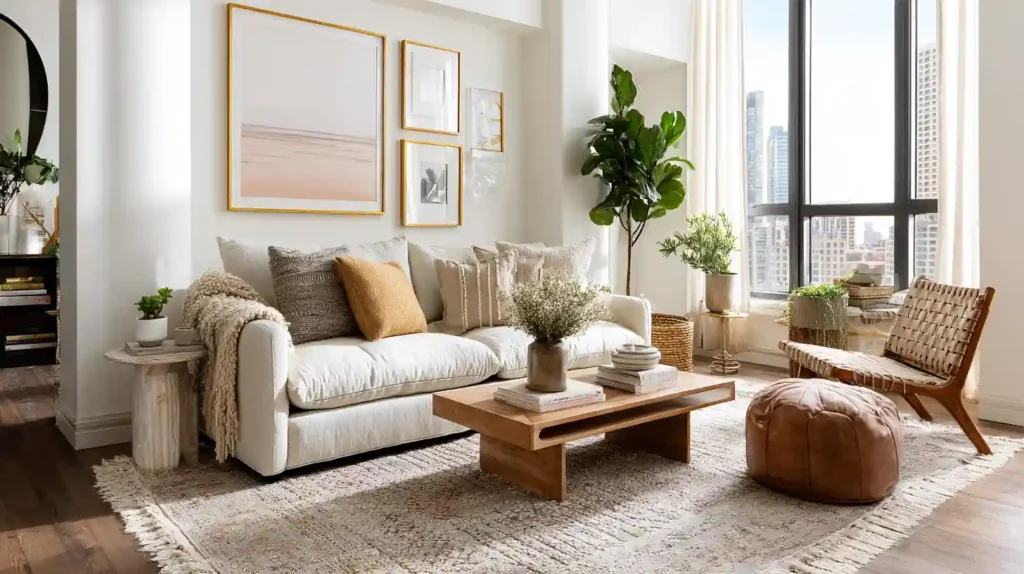
This is where your living room decor goes from nice to designer-finished, because the right mix of anchor pieces sofa + rug + coffee table, and a few elevated accents creates that styled, magazine-ready look without feeling precious.
Trending sofas, coffee tables, and accent chairs
Here’s what’s looking especially current for 2026. warm, comfortable shapes with a little architectural personality.
Sofas the anchor.
-
Deep-seated, relaxed silhouettes with clean lines, inviting, not slouchy
-
Soft curves on arms or back cushions for a modern, cozy feel
-
Performance fabrics in warm neutrals are practical + still polished
Coffee tables are the grounding piece,
-
Rounded or oval tables to soften the room and improve flow
-
Wood + stone mixes for that high-end contrast
-
Oversized tables in larger rooms so the seating area feels proportional
Accent chairs, the style move
-
Barrel chairs and sculptural frames for a trendy silhouette
-
Swivel chairs are so functional, especially in open-plan spaces
-
Texture-forward upholstery like bouclé, linen blends, or leather
Where to buy: US retailers and online shops
If you want that curated look without hunting for weeks, these retailer categories make it easy to mix high/low and still look intentional.
Best places to start by vibe,
-
Affordable modern. clean lines, great basics, easy shipping
-
Upgraded mid-range. better fabrics/frames, more statement options
-
Designer lookalikes. sculptural silhouettes and trend-forward finishes
-
Vintage + one-of-a-kind. marketplaces and curated resale for soul
I mix it like a designer shopping strategy.
-
Spend more on the sofa comfort + durability.
-
Go mid-range on the rug. It sets the tone.
-
Save on accent tables and decor. These are easy to swap seasonally.
Before & After Transformations
This is the part I love most, because you don’t need a full renovation to get a dramatic shift. The best before-and-after living room decor makeovers usually come down to three things: layout, scale, and layering. When those click, the room suddenly feels finished.
Real-home examples and designer makeovers
Here are a few real-life transformation types I see again and again, and they work in almost any home
-
The floating furniture fix. A sofa pulled off the wall, a properly sized rug, and chairs angled in = instant conversation zone.
-
The blank wall upgrade. One large art piece, or a paired set plus a console or credenza underneath, adds structure and polish.
-
The lighting glow-up. Swapping a single ceiling light for layered lighting, lamp + floor lamp + statement fixture, makes the room feel expensive.
-
The too-many-littles edit. Fewer, larger decor pieces instead of lots of small ones create that designer calm.
How to achieve similar results
If you want that HGTV-style reveal without getting overwhelmed, follow this order. It’s how I’d tackle it if I were styling your space.
Step-by-step makeover plan.
-
Start with one focal point. fireplace, TV wall, or a large piece of art.
-
Fix the foundation. rug size first, then sofa placement.
-
Add secondary seating. 1–2 chairs to create a conversation shape.
-
Layer in texture. pillows, throw, curtains, and one organic element, wood, greenery, woven basket.
-
Finish with styling. coffee table stack + tray + something sculptural not all tiny decor.
Designer spacing cheats that make photos look better
-
Coffee table about 14–18 inches from the sofa.
-
Curtains hung high (close to the ceiling) and wider than the window for a taller look.
-
At least the front legs of the seating are on the rug.
Maintenance & Longevity Tips
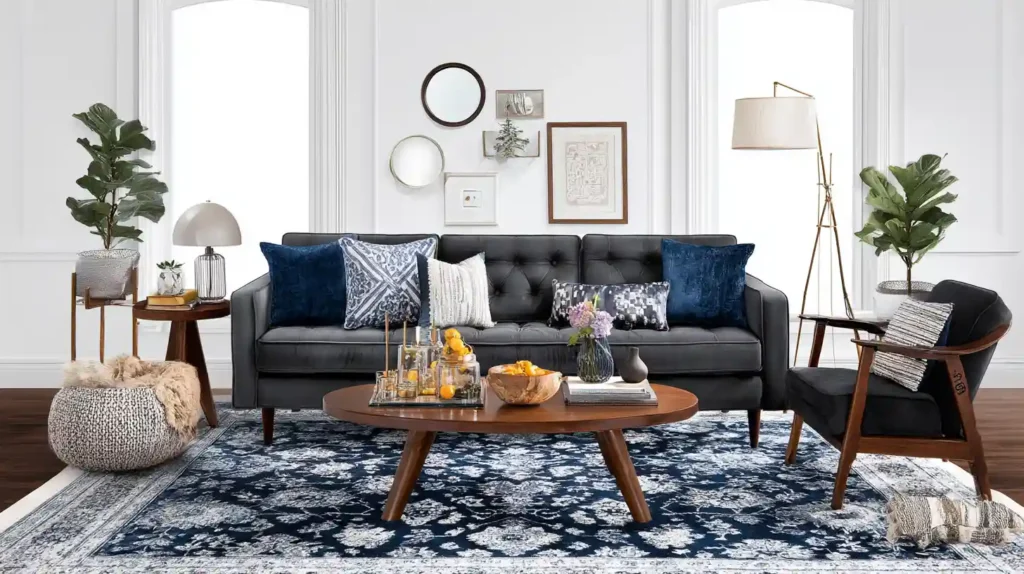
Pretty living room decor is great, but the real win is keeping it looking fresh with normal, real-life living. These simple habits protect your investment pieces, especially upholstery, wood, and vintage finds, so your space stays styled instead of stressed.
Cleaning and caring for decorative fabrics
Soft goods take the most wear, so a little routine care goes a long way.
My easy fabric care routine.
-
Vacuum upholstery weekly with a soft brush attachment, especially along seams.
-
Blot spills fast, don’t rub it, pushes stains deeper.
-
Rotate and fluff cushions every couple of weeks so wear stays even.
-
Use a lint roller for pet hair on pillows and throws fastest refresh ever.
Preserving vintage and wooden pieces
Vintage and wood add soul, but they need gentle handling.
Wood care that keeps it looking rich.
-
Use coasters and trays to prevent water rings.
-
Keep wood out of direct sunlight when possible (sunlight can fade and dry finishes).
-
Dust with a soft microfiber cloth skip harsh sprays that can dull finishes.
For vintage pieces, especially antiques
-
Avoid soaking or heavy scrubbing.
-
Test any cleaner on a hidden spot first.
-
Treat patina like character, not something you have to fix.
Seasonal refresh ideas
You don’t need to redecorate, just rotate a few layers so the room feels new.
Quick seasonal swaps 15 minutes or less
-
Switch pillow covers (linen in spring/summer, velvet or woven in fall/winter
-
Add one new texture. a chunky knit throw, a woven basket, or a ceramic vase.
-
Refresh the coffee table. one tray + one candle + one organic element, greenery or dried stems.
-
Update lighting warmth. Swap to soft, cozy bulbs for evenings.
FAQs. People Also Ask
What are the best living room decor trends for 2026?
The biggest 2026 shift is comfort that still looks curated. Think warm tones, layered textures, and pieces that feel collected.
Top trends you’ll actually use.
-
Cozy, deep seating, and rounded silhouettes
-
Warm neutrals with jewel tone accents
-
Vintage/antique touches for character
-
Layered rugs and mixed lighting for a glow
How do I decorate a small living room?
Small spaces look best when they’re edited and scaled correctly.
Do this first.
-
Choose one hero piece, usually the sofa
-
Use a rug that anchors the front legs of furniture
-
Keep pathways clear about 30–36 where you walk
-
Swap bulky tables for slimmer or nesting options
What paint colors are trending for living rooms?
For 2026, the mood is warmer and richer, less icy gray, more cozy depth.
Trending directions,
-
Warm whites and creamy neutrals
-
Earthy hues. olive, clay, soft brown
-
Jewel tones. deep teal, sapphire, wine
How do I mix vintage and modern decor?
The secret is balance: modern for structure, vintage for soul.
A simple mix rule:
-
Keep your large pieces more modern sofa, rug, and main lighting
-
Add vintage in 1–2 accents (mirror, lamp, art, side chair
-
Repeat finishes like brass or black, so it feels cohesive
How do I make my living room feel more inviting?
Inviting rooms feel soft, warm, and easy to live in.
My go-to formula:
-
Add layered lighting overhead + lamps
-
Bring in texture throw + pillows + rug
-
Create a conversation layout with seating facing each other
-
Style one life moment books, candle, tray, greenery
Featured Snippet Block
-
Start with a focal point, such as a sofa or art.
-
Layer textures. bouclé, linen, wood.
-
Use warm neutrals or jewel tones for color.
-
Add vintage or antique pieces for depth.
-
Layer rugs and mix lighting for comfort.