Backyard Garden Layout Ideas for a Beautiful, Easy
A backyard garden doesn’t need to be large or perfectly shaped to feel peaceful. It just needs a thoughtful layout. When paths flow naturally, plants get the sunlight they need, and everything feels easy to reach, the garden becomes a place you want to spend time in, not another chore waiting outside.
That’s what these backyard garden layout ideas are about. Not rigid plans or picture-perfect designs, but layouts that work with how you actually live. Morning watering before work. Kids running through the yard. Quiet evenings pulling a few weeds while the sun goes down.
Whether your backyard is narrow, wide, sloped, or a little awkward, the right layout can help it feel calm, productive, and welcoming. We’ll start gently, by looking at sunlight, movement, and daily habits, then build into layouts that feel natural and easy to maintain for US homeowners.
Backyard garden layout ideas that start with sunlight and daily life
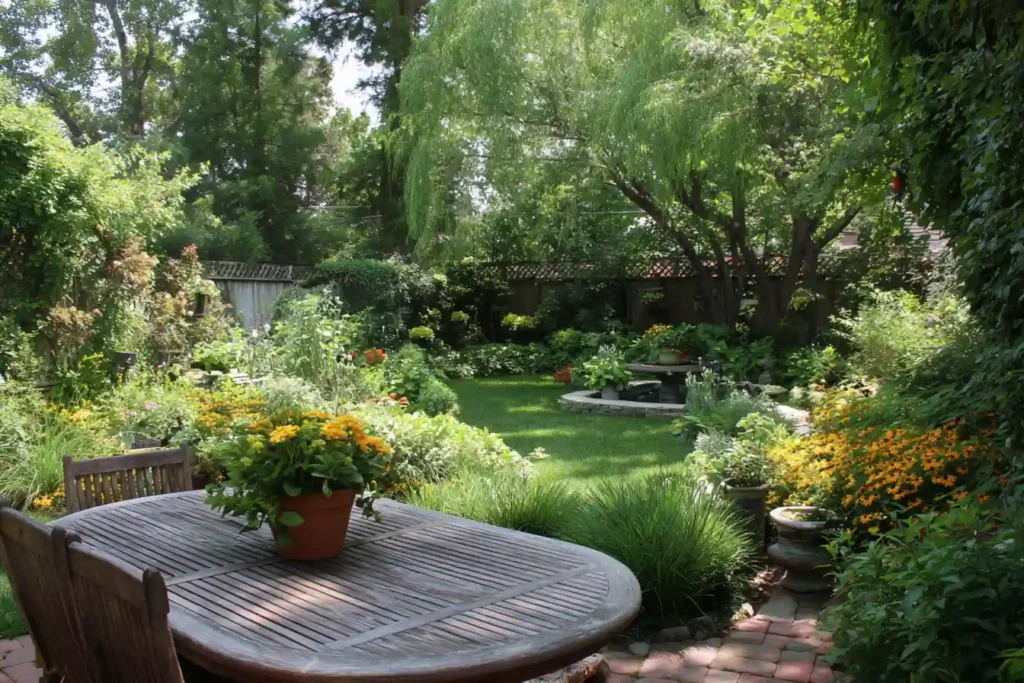
Before drawing lines or building beds, it helps to slow down and listen to your backyard. How you move through it. Where the sun lingers. Where water already wants to go. These small observations shape the most peaceful garden layouts.
A 10-minute yard walk: where you naturally step, sit, and store things
Take a quiet walk through your backyard at different times of day. Notice:
-
Where you already walk without thinking
-
Where you pause, near the patio, fence, or back door
-
Where tools, hoses, or pots tend to land
Your garden layout should follow these habits, not fight them. If you always walk along the fence line, that’s a perfect place for a long border bed. If you step out the back door with coffee each morning, nearby herbs or flowers make sense there. Gardens feel calmer when they grow with your routines.
Sun and shade basics and why a simple sun map saves plants
Sunlight is the quiet guide behind every good backyard garden layout idea. Most vegetables and flowers need 6–8 hours of sun, but not all parts of your yard receive light evenly.
Try this simple approach,
-
Morning sun = gentle, ideal for leafy greens and herbs
-
Afternoon sun = stronger, better for tomatoes, peppers, and squash
-
Full shade or dappled light = perfect for paths, seating, or ferns
A basic sun map, just noting sun and shade on paper throughout the day, helps you place beds where plants will thrive without constant effort.
Water access and hose routes you won’t hate later
Watering should feel easy, not like dragging a hose through obstacles. When planning your layout, think about
-
How far does your hose reach without stretching
-
Keeping paths wide enough for watering cans
-
Avoiding beds tucked too tightly behind fences
Many homeowners find peace in looping beds around a central hose path rather than zigzagging water through the yard. Small choices like this quietly reduce frustration all season long.
Backyard garden layout ideas for the most common yard shapes
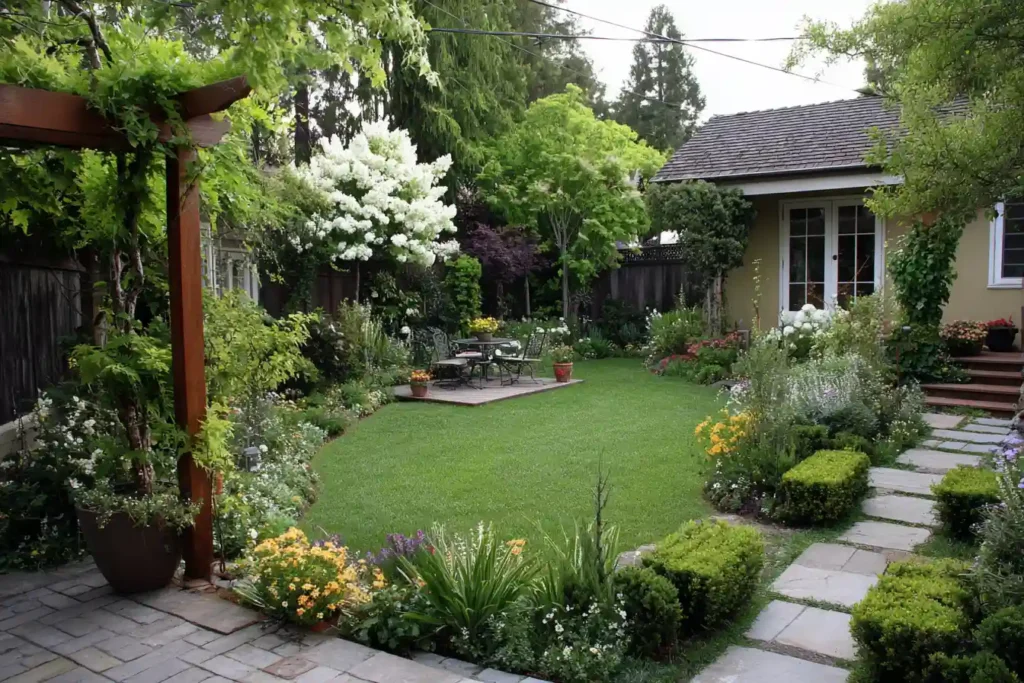
Every backyard has its own personality. Some are long and narrow. Some are wide and open. Others feel a little awkward at first glance. The good news is that the shape of your yard often points you toward the right layout. It just needs a gentle nudge.
Narrow side yard layout: border garden along a fence
Narrow yards can feel limiting, but they’re actually perfect for calm, linear garden layouts.
A border-style layout works beautifully here:
-
Long raised or in-ground beds running parallel to the fence
-
One clear walking path along the opposite side
-
Vertical growing trellises, espaliered fruit, climbing flowers, to save space
This layout keeps movement simple and makes a narrow yard feel longer and more intentional, not cramped.
Deep backyard layout. central path with beds on both sides
If your backyard stretches far from the house, a central path creates balance and calm.
Think of it as a gentle garden walk.
-
A straight or slightly curved path down the center
-
Matching or complementary beds on each side
-
Taller plants toward the back to anchor the space
This layout feels orderly but still relaxed, and it’s easy to expand over time without reworking everything.
Wide backyard layout. A courtyard-style garden that feels like a room
Wide backyards are perfect for layouts that feel like outdoor living spaces.
A courtyard-inspired layout might include:
-
Beds arranged in a square or rectangle
-
Paths that lead inward instead of just across
-
A small focal point birdbath, tree, or bench, in the center
Instead of scattering plants, this approach gathers the garden into one welcoming area that feels cozy and grounded.
Corner or awkward-shape layout. curved beds and gentle groupings
For backyards with corners, slopes, or uneven edges, curves are your friend.
Curved beds.
-
Soften harsh angles
-
Make the space feel natural and flowing
-
Allow plants to be grouped in odd numbers for a relaxed look
Rather than fighting the shape of your yard, let the garden echo it. These layouts often feel the most organic and peaceful of all.
Backyard garden layout ideas using raised beds

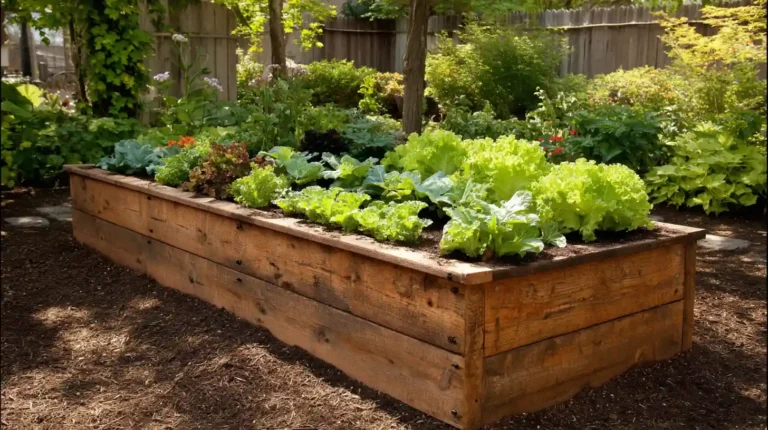
Raised beds bring a sense of order and calm to a backyard garden. They define space, improve drainage, and make planting and harvesting feel gentler on your body. For many US homeowners, they’re also the easiest way to start without reworking the entire yard.
Single-row and perimeter layouts for beginners
If you’re just beginning, less truly is more.
A simple layout might include.
-
One or two raised beds placed along a fence or edge
-
Clear access from one side only
-
Space left open for future expansion
This approach keeps maintenance light and lets you learn how your backyard responds to sun, rain, and seasons before committing to more beds.
Twin-bed layout with a trellis walkway
This is one of the most loved backyard garden layout ideas—and for good reason.
Two parallel beds with a path between them:
-
Create a natural garden entry.
-
Allow trellises for beans, peas, or flowering vines
-
Feel tidy without being stiff
Walking between green walls is calming, especially in the early morning or late afternoon light.
Four-bed square layout that becomes a destination
When space allows, four raised beds arranged in a square or rectangle feel intentional and grounded.
This layout works well when
-
You want the garden to feel like a place, not a project
-
Paths meet in the center
-
A small feature herbs, flowers, or a birdbath, anchors the design
It’s practical, but it also invites you to pause, and that’s something many gardens forget to do.
Potager-inspired layout for structure and charm
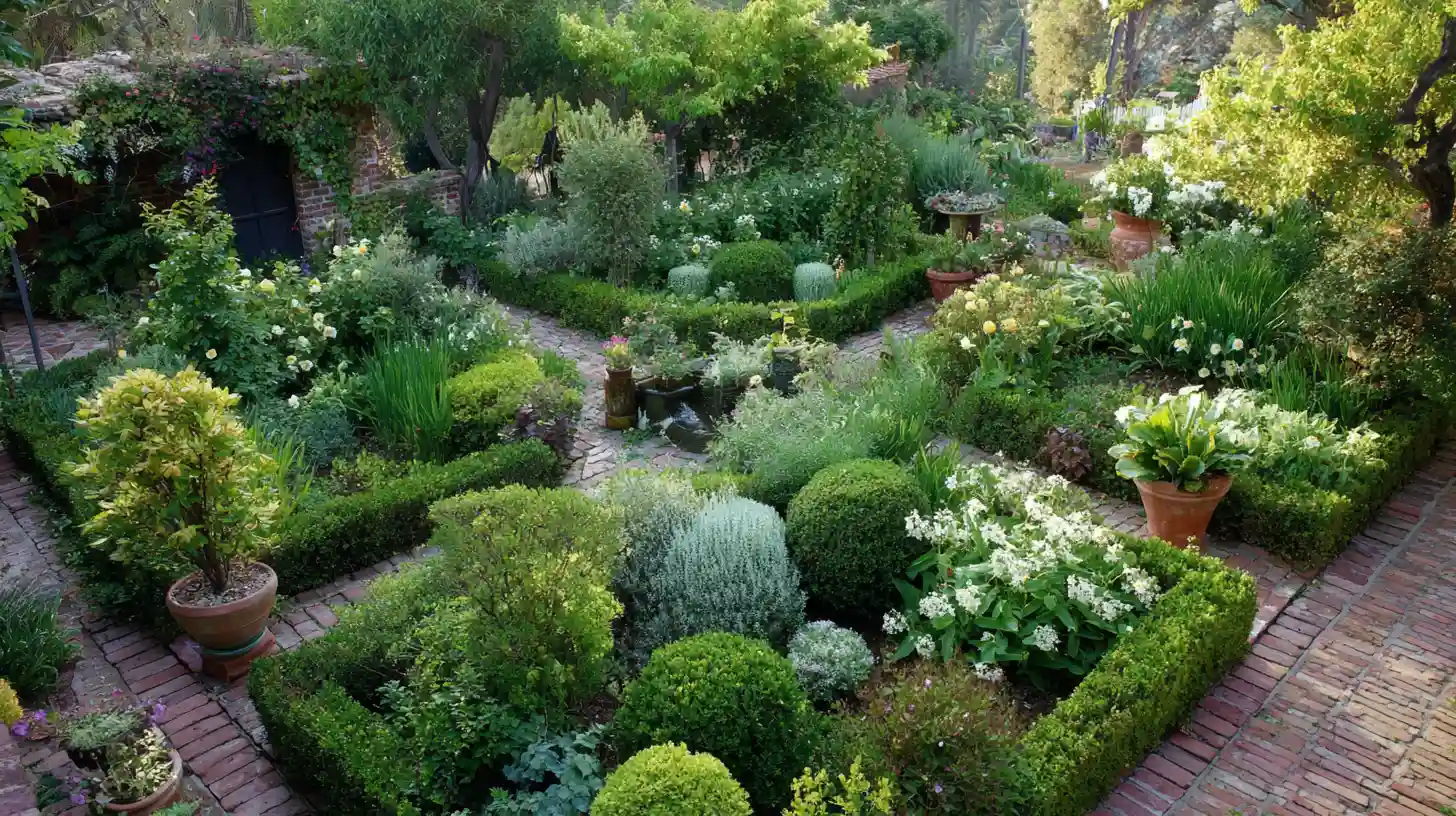
A potager-style layout blends vegetables, herbs, and flowers into a soft, organized pattern.
Think.
-
Symmetry without strict rules
-
Repeating bed shapes
-
Edible plants mixed with blooms
This style suits homeowners who enjoy a sense of rhythm and beauty, even in productive spaces. It feels thoughtful, seasonal, and quietly elegant.
Paths, spacing, and flow that make any garden easier to maintain
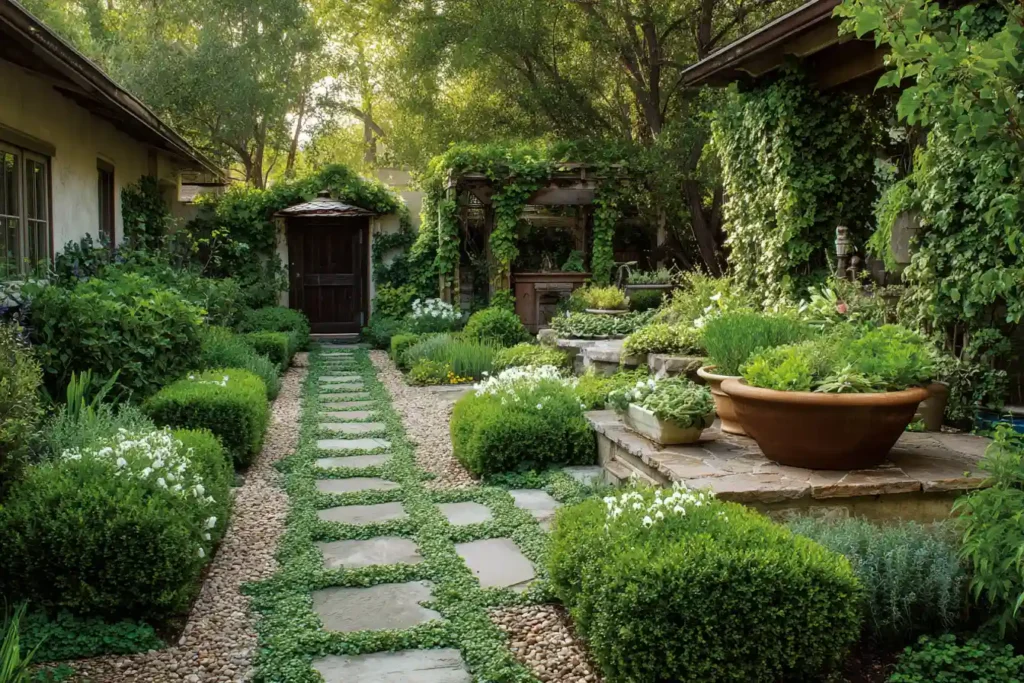
A beautiful backyard garden layout isn’t just about where plants grow; it’s about how you move. When paths feel natural, and beds are sized for real reach, the garden stays peaceful instead of overwhelming.
Path widths that work for real bodies, wheelbarrows, and kneeling
Paths don’t need to be wide, but they do need to be comfortable.
A gentle guideline
-
Main paths: about 30–36 inches wide
-
Secondary paths: 18–24 inches wide
-
Enough room to kneel, turn, and carry a basket without brushing plants
Mulch, gravel, or stepping stones soften the space and make walking feel intentional, especially after rain.
Bed widths that keep you from stepping on soil
One of the most common layout mistakes is making beds too wide.
For most homeowners:
-
Beds accessible from one side: 2–2½ feet wide
-
Beds accessible from both sides: up to 4 feet wide
This keeps soil healthy and saves your back. When everything is within easy reach, tending the garden becomes quiet and meditative instead of tiring.
Where to place tall crops so they don’t shade everything else
Height matters more than people expect.
A calming rule to remember
-
Place tall plants (corn, sunflowers, trellised tomatoes) on the north or west side of beds
-
Keep shorter plants toward the south and east
This lets sunlight gently fall across the garden instead of being blocked. The result is a layout that feels balanced, bright, and productive without constant rearranging.
Planting zones that feel peaceful and productive

One of the most calming backyard garden layout ideas is zoning. Instead of mixing everything everywhere, you gently group plants by purpose. This creates order without stiffness and makes the garden easier to care for as seasons change.
Edible zone, pollinator zone, and cut flowers by the back door zone
Think about how you use plants, not just what they are.
Many homeowners find success with
-
Edible zone. vegetables and herbs grouped together for easy harvesting
-
Pollinator zone. flowers that attract bees and butterflies, placed where you can watch them
-
Cut-flower zone. blooms near the house, so you’ll actually bring them inside
This approach keeps daily tasks simple and adds small moments of joy, snipping herbs for dinner or flowers for the table.
Companion planting and layering vertical growing without clutter
Layering plants vertically adds abundance without crowding.
A gentle structure looks like
-
Tall plants or trellises at the back
-
Medium-height plants in the middle
-
Low growers or ground covers along edges
This creates a soft, full look while improving airflow and light. The garden feels lush, not chaotic.
Seasonal grouping: cool-season vs warm-season beds
Seasonal grouping is one of the quiet secrets to low-maintenance layouts.
Try dedicating
-
One bed for cool-season crops: lettuce, spinach, peas
-
Another for warm-season plants: tomatoes, peppers, squash
When one season fades, you’re not pulling plants scattered everywhere. Instead, beds transition together, keeping the garden feeling orderly and calm.
Little details that make a backyard garden layout feel finished

Once the main layout is in place, it’s the small, thoughtful details that make a backyard garden feel complete. These touches don’t need to be expensive or elaborate. They simply help the space feel cared for and inviting.
Edging and mulch paths that stay neat
Defined edges bring a quiet sense of order to any garden.
Simple options many homeowners love,
-
Natural stone or brick edging for long-lasting structure
-
Metal or wood edging for clean, modern lines
-
Mulch or wood chips in paths to soften footsteps and suppress weeds
When beds are clearly outlined, the garden instantly feels calmer and easier to maintain.
A compost corner that’s close, but not in the way
Compost works best when it’s convenient.
A peaceful placement:
-
Tucked into a back corner or along a fence
-
Close enough to beds for easy access
-
Far enough from seating areas to stay unnoticed
When compost has a home, it becomes part of the garden’s natural rhythm rather than an afterthought.
Seating, a small focal point, and simple lighting
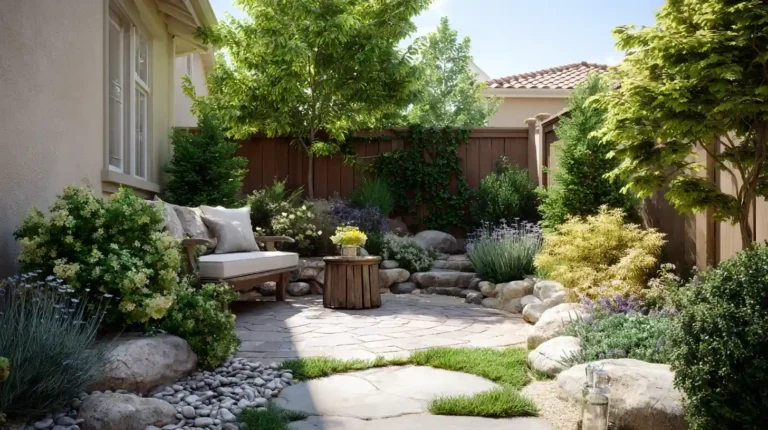
Even the smallest backyard garden benefits from a place to pause.
Consider adding
-
A simple bench or chair where you can sit and observe
-
One focal point, a birdbath, a large pot, or small tree
-
Soft solar lights along paths or bed edges
These elements invite you to enjoy the garden beyond planting and harvesting. They turn it into a space for evening air, quiet moments, and gentle reflection.
Backyard garden layout mistakes to avoid

Even the most beautiful backyard garden layout ideas can feel frustrating if a few common mistakes sneak in. Avoiding these early helps your garden stay peaceful, productive, and enjoyable for years.
Starting too big and what to do instead
It’s tempting to fill the whole backyard at once. But large layouts often become overwhelming fast.
A gentler approach:
-
Start with one or two beds
-
Leave open space for walking and observing
-
Expand only after you’ve lived with the garden for a season
Gardens grow better when they grow slowly. Confidence and clarity come with time.
Placing beds where water pools or trees steal the sun
Low spots and tree-heavy areas look convenient, but they cause quite a few problems.
Watch out for
-
Beds that stay soggy after rain
-
Roots compete with vegetables for water and nutrients
-
Shade that shifts more than expected through the seasons
When beds are placed in balanced light with good drainage, plants thrive with far less effort.
Forgetting access. hoses, gates, and harvesting paths
A garden can look perfect and still feel wrong if it’s hard to reach.
Before settling on a layout, make sure:
-
Hoses reach every bed comfortably
-
Gates open without blocking paths
-
You can harvest without stepping into beds
Ease of access is what turns gardening into a calming habit rather than a chore.
FAQ
What is the best backyard garden layout for beginners?
The best backyard garden layout for beginners is a simple, small layout with one or two beds placed in full sun near a water source. Starting small helps you learn how sunlight, soil, and seasons behave in your yard before expanding. Raised beds or a border-style layout along a fence are especially beginner-friendly.
How do I plan a backyard garden layout?
Start by observing your backyard for sunlight, shade, and natural walking paths. Note where water collects and how far your hose reaches. Then choose a layout that fits your yard shape, narrow, wide, or deep, and your lifestyle. Good backyard garden layout ideas always begin with how you move and live in the space.
How much space do I need between garden beds?
For most backyard garden layouts
-
Paths should be 18–24 inches wide for walking
-
Main paths should be 30–36 inches wide for wheelbarrows
-
Garden beds should be no wider than 4 feet if you can reach both sides
This spacing keeps the garden comfortable and easy to maintain.
Are raised beds better than in-ground garden layouts?
Raised beds are not required, but they are very popular for backyard gardens. They improve drainage, warm up faster in spring, and help define the layout visually. Many homeowners find raised bed backyard garden layout ideas easier to manage, especially if soil quality is poor.
What direction should garden beds face?
Most backyard garden beds do best when oriented north to south, which allows sunlight to reach plants evenly. Taller crops should be placed on the north or west side so they don’t shade shorter plants.
How do I design a low-maintenance backyard garden layout?
Low-maintenance layouts focus on
-
Fewer, well-placed beds
-
Wide, mulched paths
-
Grouping plants with similar water and sun needs
-
Easy hose access
Keeping the layout simple and organized reduces weeding, watering stress, and burnout.
Can I combine vegetables and flowers in one backyard garden layout?
Yes, and it’s encouraged. Mixing vegetables, herbs, and flowers improves pollination and makes the garden feel softer and more inviting. Many backyard garden layout ideas use zoning, where edible plants and flowers are grouped nearby but still feel intentional.
What are common backyard garden layout mistakes?
Common mistakes include starting too big, placing beds in poor drainage areas, ignoring sunlight patterns, and forgetting access for hoses and harvesting. A successful layout always balances beauty with daily practicality.